မက်ဆေ့ခ်ျထားခဲ့ပါ
ကျွန်တော်တို့ရဲ့ထုတ်ကုန်တွေကို စိတ်ဝင်စားရင်နဲ့ အသေးစိတ်သိချင်ရင် ဒီမှာမက်ဆေ့ခ်ျထားခဲ့ပါ၊ ကျွန်တော်တို့က အမြန်ဆုံး ပြန်လည်ဖြေကြားပေးပါမယ်။

ရေဖိအားသည် မီးငြှိမ်းသတ်ရေးလုပ်ငန်းတိုင်း၏ အဓိကမောင်းနှင်အားဖြစ်သည်။ လုံလောက်သော ဖိအားမရှိပါက ရေသည် မီးလောင်ရာနေရာသို့ မရောက်နိုင်၊ မီးလောင်နေသော ပစ္စည်းများအတွင်းသို့ မစိမ့်ဝင်နိုင်၊ ထိရောက်စွာ အသုံးမဝင်နိုင်ပါ။မီးသတ်ကားများသည် ဖိအားကို ထုတ်လုပ်ပေးရုံသာမက မီးငြှိမ်းသတ်ရေးလုပ်ငန်းတစ်လျှောက်လုံးတွင် အဆက်မပြတ် ထိန်းသိမ်းထားနိုင်ရမည်။
ဤဆောင်းပါးတွင် မီးသတ်ကားများသည် ရေဖိအားကို မည်သို့ ထုတ်လုပ်၊ ထိန်းချုပ်၊ ထိန်းသိမ်းထားသည်ကို ရှင်းပြထားပြီး ပါဝင်သော အဓိကအစိတ်အပိုင်းများနှင့် အခြေခံမူများကို ဖော်ပြထားသည်။
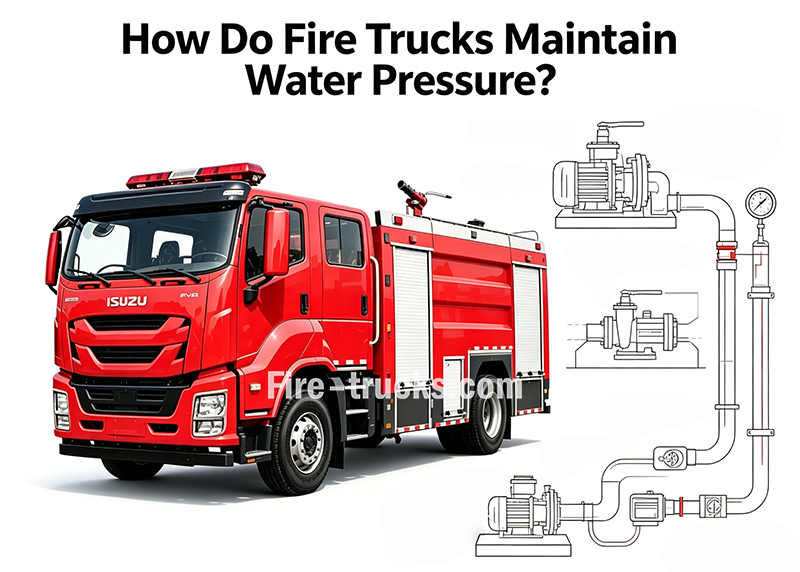
မီးသတ်ကားအတွင်းရှိ ရေဖိအားသည် မီးသတ်ပန့်မှ လာသည်။ ပန့်ကို ကားအင်ဂျင်မှ power take-off (PTO) စနစ်ဖြင့် မောင်းနှင်သည်။ PTO ကို ချိတ်ဆက်လိုက်သောအခါ အင်ဂျင်စွမ်းအားကို ပန့်၏ impeller ကို အမြန်နှုန်းမြင့်ဖြင့် လည်ပတ်စေရန် လွှဲပြောင်းပေးသည်။
impeller သည် ကွေးညွှတ်နေသော ဓားပြားများပါရှိသည့် လည်ပတ်နေသော ပြားဝိုင်းတစ်ခုဖြစ်သည်။ ၎င်းလည်ပတ်သောအခါ centrifugal force ကြောင့် ရေကို အပြင်ဘက်သို့ တွန်းပို့သည်။ ဤလုပ်ဆောင်ချက်ကြောင့် တစ်ပြိုင်နက်တည်း အကျိုးသက်ရောက်မှု နှစ်ခု ဖြစ်ပေါ်သည်:
အလယ်ဗဟိုတွင် ဖိအားနိမ့်ခြင်း (impeller ၏ မျက်လုံးနေရာ): ရေကို တိုင်ကီ သို့မဟုတ် ရေစုပ်ပိုက်မှ ဆွဲယူဝင်သည်
အပြင်ဘက်အစွန်းတွင် ဖိအားမြင့်ခြင်း: ရေကို ထုတ်လွှတ်ပိုက်စနစ်အတွင်းသို့ တွန်းပို့သည်
ထို့ကြောင့် မီးသတ်ကားပန့်အများစုကို centrifugal pumpsဟု ခေါ်ခြင်းဖြစ်သည်။
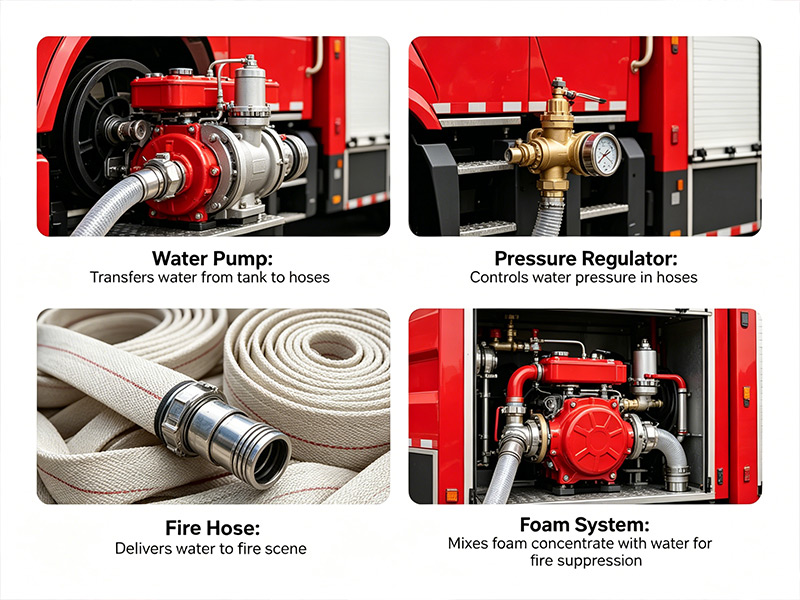
ပန့်၏ အရွယ်အစားနှင့် စွမ်းအားသည် ယာဉ်၏ ရည်ရွယ်အသုံးပြုမှုနှင့် ကိုက်ညီရမည်။ ဥပမာ 25,000 လီတာ ရေ/အမြှုပ် ပေါင်းစပ်မီးသတ်ကားကဲ့သို့သော မီးသတ်ကားကြီးများသည် ရေပမာဏများစွာ ပို့ဆောင်နေစဉ် ဖိအားမြင့်ကို ထိန်းသိမ်းနိုင်ရန် ပိုမိုစွမ်းအားကြီးသော ပန့်များ လိုအပ်သည်။ ဤအကြမ်းခံပန့်များကို ပြင်းထန်သော အခြေအနေများအောက်တွင်ပင် ထိရောက်မှုနှင့် ယုံကြည်စိတ်ချရမှုရှိစေရန် ဒီဇိုင်းပြုလုပ်ထားသည်။
3,000 လီတာ အပေါ့စားအမြှုပ်ပန့် မီးသတ်ကားကဲ့သို့ သေးငယ်သော ကားများအတွက် စွမ်းအားနည်းသော်လည်း ထိရောက်သော ပန့်ကို အသုံးပြုသည်။ ဤကားများသည် ရေပမာဏများစွာ ပို့ဆောင်ရန် မလိုအပ်သောကြောင့် သေးငယ်သောပန့်သည် လုပ်ငန်းအတွက် လိုအပ်သော ဖိအားကို ထိန်းသိမ်းရန် လုံလောက်သည်။
ထို့အပြင် ယာဉ်ပေါ်ရှိ ရေတိုင်ကီ၏ အမြင့်နှင့် ပန့်၏ တည်နေရာသည်လည်း ဖိအားအပေါ် သက်ရောက်မှုရှိသည်။ ရေသည် ဆွဲအားကြောင့် တိုင်ကီမှ ပန့်သို့ စီးဆင်းသော်လည်း ရေကို ပိုက်များမှတစ်ဆင့် ထိရောက်စွာ တွန်းပို့နိုင်ရန် ပန့်က ဖိအားကို ထပ်မံမြှင့်တင်ပေးရသည်။
ဖိအားကို ထုတ်လုပ်ပြီးနောက် မီးငြှိမ်းသတ်ရေးလုပ်ငန်း၏ သီးခြားလိုအပ်ချက်နှင့် ကိုက်ညီစေရန် ထိန်းချုပ်ရမည်။ အခြေအနေအမျိုးမျိုးတွင် ဖိအားအမျိုးမျိုး လိုအပ်သည်။
ဖိအားကို ချိန်ညှိရန် အလွယ်ဆုံးနည်းလမ်းမှာ အင်ဂျင်အမြန်နှုန်းကို ပြောင်းလဲခြင်းဖြစ်သည်။ အင်ဂျင် RPM ကို မြှင့်လိုက်ပါက ပန့် impeller သည် ပိုမိုမြန်ဆန်စွာ လည်ပတ်ပြီး ဖိအားတိုးလာသည်။ RPM လျှော့လိုက်ပါက ဖိအားလျော့ကျသည်။ ပန့်အော်ပရေတာသည် ပန့်ထိန်းချုပ်ခုံမှ အီလက်ထရွန်နစ် throttle ကို အသုံးပြု၍ အင်ဂျင်အမြန်နှုန်းကို ထိန်းချုပ်သည်။
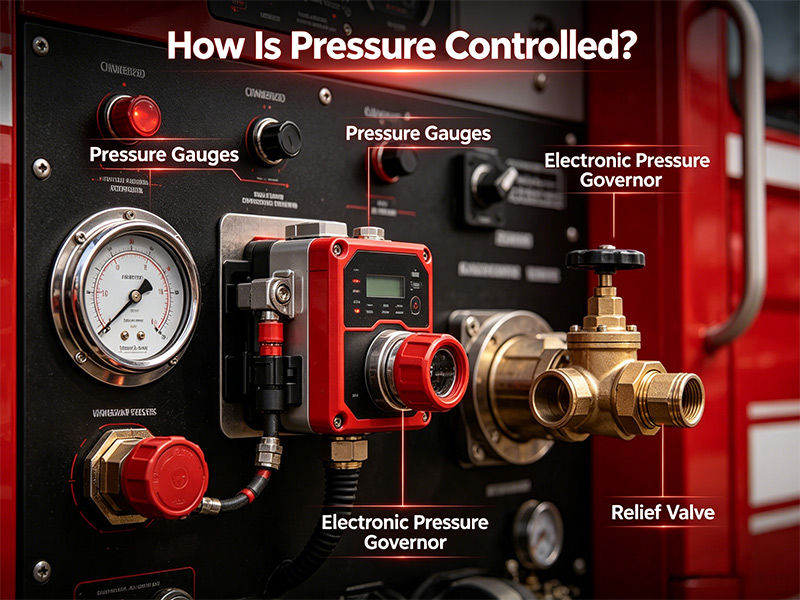
ခေတ်မီ မီးသတ်ကားများတွင် အီလက်ထရွန်နစ် ဖိအားထိန်းစနစ်များ တပ်ဆင်ထားသည်။ ဤကိရိယာများသည် ရေစီးနှုန်း ပြောင်းလဲသော်လည်း သတ်မှတ်ထားသော ဖိအားကို အလိုအလျောက် ထိန်းသိမ်းပေးသည်။
မီးသတ်သမားတစ်ဦးက nozzle ကို ဖွင့်ခြင်း သို့မဟုတ် ပိတ်ခြင်းပြုလုပ်သောအခါ ရေစီးလိုအပ်ချက် ပြောင်းလဲသည်။ ထိန်းစနစ်မရှိပါက ပိုက်လိုင်းအသစ်ဖွင့်သောအခါ ဖိအားကျဆင်းနိုင်ပြီး ပိုက်လိုင်းပိတ်သောအခါ ဖိအားရုတ်တရက် မြင့်တက်နိုင်သည်။ ထိန်းစနစ်သည် ဤပြောင်းလဲမှုများကို သိရှိပြီး အင်ဂျင်အမြန်နှုန်းကို အလိုအလျောက် ချိန်ညှိကာ ဖိအားကို တည်ငြိမ်စေသည်။
| မုဒ် | လုပ်ဆောင်ချက် |
|---|---|
| ဖိအားမုဒ် | ရေစီးနှုန်း ပြောင်းလဲမှုမရှိသလို သတ်မှတ်ထားသော ဖိအားကို ထိန်းသိမ်းပေးသည် |
| RPM မုဒ် | သတ်မှတ်ထားသော အင်ဂျင်အမြန်နှုန်းကို ထိန်းသိမ်းပေးသည် (အမြှုပ်လုပ်ငန်းများ သို့မဟုတ် သီးခြားရေစီးနှုန်းလိုအပ်သောအခါ အသုံးပြုသည်) |
အီလက်ထရွန်နစ် ထိန်းစနစ်များအတွက် အရန်အဖြစ် စက်ပိုင်းဆိုင်ရာ ဖိအားလျှော့ချအဆို့ရှင်များသည် ထပ်ဆင့်လုံခြုံမှု ပေးသည်။ ဖိအားသည် သတ်မှတ်ကန့်သတ်ချက်ထက် ကျော်လွန်ပါက အဆို့ရှင်ပွင့်လာပြီး ပိုလျှံသောရေကို တိုင်ကီသို့ သို့မဟုတ် ပန့်၏ စုပ်ယူဘက်သို့ ပြန်လည်လွှဲပို့သည်။ ၎င်းက ပိုက်ပေါက်ကွဲမှုနှင့် ပန့်ပျက်စီးမှုကို ကာကွယ်ပေးသည်။
ရေသည် ပိုက်အတွင်း စီးဆင်းသောအခါ ပွတ်တိုက်မှုကြောင့် ဖိအားဆုံးရှုံးသည်။ ပိုက်ရှည်လေလေ ဆုံးရှုံးမှုများလေလေ ဖြစ်သည်။ မီးသတ်ကားများသည် ဤအခြေအနေကို နည်းလမ်းအမျိုးမျိုးဖြင့် ဖြေရှင်းသည်။
ပန့်အော်ပရေတာသည် nozzle တွင် လိုအပ်သော ဖိအားကို တွက်ချက်ပြီး ပိုက်အတွင်း ဆုံးရှုံးမည့် ဖိအားကို ထပ်ပေါင်းထည့်သည်။ ဥပမာ nozzle တွင် 100 psi လိုအပ်ပြီး ပိုက်အရှည်တစ်လျှောက် 50 psi ဆုံးရှုံးမည်ဆိုပါက အော်ပရေတာသည် ပန့်ကို 150 psi ပေးနိုင်အောင် သတ်မှတ်သည်။
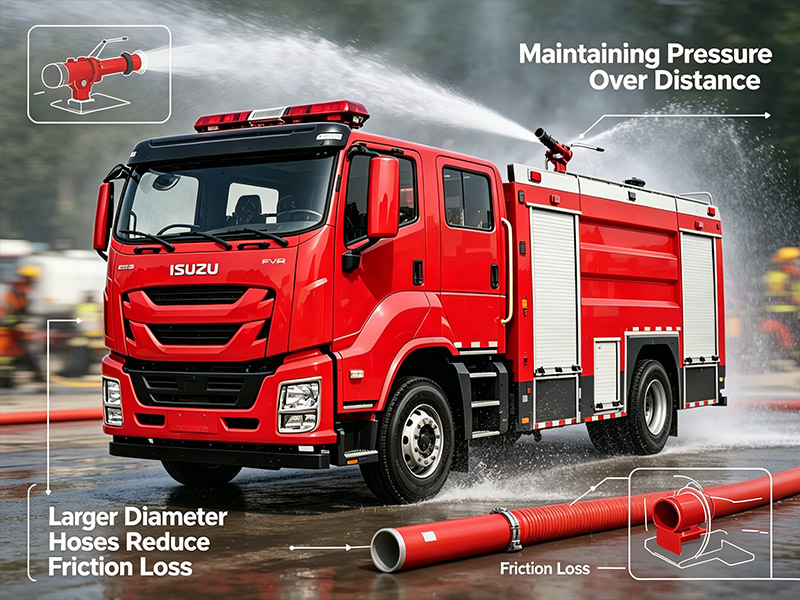
ပိုက်အချင်းကြီးလာသည်နှင့်အမျှ ပွတ်တိုက်မှုကြောင့် ဖိအားဆုံးရှုံးမှုသည် သိသိသာသာ လျော့နည်းလာသည်။ အချင်းကြီးသောပိုက်များတွင် အတွင်းပိုင်းခုခံမှုနည်းသောကြောင့် ရေသည် ပိုမိုလွတ်လပ်စွာ စီးဆင်းနိုင်ပြီး ဖိအားကို ထိန်းသိမ်းနိုင်သည်။ တူညီသော ရေစီးနှုန်းတွင် 2.5 လက်မပိုက်သည် 1.75 လက်မပိုက်ထက် ပွတ်တိုက်မှုဆုံးရှုံးမှု အလွန်နည်းသည်။ ရေပေးပို့ရေးပိုက်ရှည်များအတွက် မီးသတ်ကားများသည် ဖိအားဆုံးရှုံးမှုကို အနည်းဆုံးဖြစ်စေရန် 4 သို့မဟုတ် 5 လက်မ အချင်းရှိသော အကြီးစားပိုက်များ (LDH) ကို အသုံးပြုသည်။
အလွန်ရှည်လျားသော အကွာအဝေးများအတွက် မီးသတ်ကားများစွာသည် အဆင့်ဆင့် ချိတ်ဆက်၍ အလုပ်လုပ်နိုင်သည်။ ပထမမီးသတ်ကားသည် ရေကို ဒုတိယမီးသတ်ကားသို့ စုပ်ပို့ပေးပြီး၊ ဒုတိယကားက ဖိအားကို မြှင့်တင်ကာ ရေကို ပိုမိုဝေးကွာသောနေရာသို့ ဆက်လက်ပို့ပေးသည်။ ၎င်းကို relay pumping ဟု ခေါ်သည်။
ပန့်သည် လုံလောက်သောရေကို မစုပ်ယူနိုင်ပါက အင်ဂျင်အမြန်နှုန်း မည်မျှပင်ဖြစ်စေ ဖိအားကျဆင်းသွားမည်ဖြစ်သည်။ အဖြစ်များသော အကြောင်းရင်းများမှာ:
ပိတ်ဆို့နေသော ရေဝင်စစ်ကိရိယာ
ပြိုကျသွားသော စုပ်ယူရေပိုက် (ရေကို စုပ်ယူယူသုံးရန် အသုံးပြုသော ပျော့ပျောင်းသောပိုက်)
ရေဝင်ပိုက်လိုင်းအတွင်း လေယိုစိမ့်မှုများ
ကာကွယ်ခြင်း:ရေကို စုပ်ယူအသုံးပြုရာတွင် တောင့်တင်းသော စုပ်ယူရေပိုက်ကို အသုံးပြုပါ။ စစ်ကိရိယာများကို ပုံမှန်စစ်ဆေးပြီး သန့်ရှင်းပါ။ ရေဝင်ချိတ်ဆက်မှုများအားလုံး တင်းကျပ်စွာ ချိတ်ဆက်ထားကြောင်း သေချာပါစေ။
Cavitation သည် ပန့်သို့ ရေလုံလောက်စွာ မရောက်ရှိသောအခါ ဖြစ်ပေါ်သည်။ ထိုအခါ impeller သည် ရေအစား ရေနှင့် အငွေ့ပူဖောင်းများ ရောနှောနေသော အရောအနှောအတွင်း လည်ပတ်သည်။ ဤပူဖောင်းများ ပေါက်ကွဲပြိုကျသောအခါ ထိခိုက်လှိုင်းများ ဖြစ်ပေါ်ကာ impeller ကို ပျက်စီးစေပြီး ဖိအားအတက်အကျ ပြင်းထန်စေသည်။
Cavitation ဖြစ်ပေါ်သည့် လက္ခဏာများ:ပန့်မှ ကျယ်လောင်သော တုန်ခါသံ၊ ဖိအားတိုင်းကိရိယာ ပြသချက် မတည်ငြိမ်ခြင်း၊ ရေစီးဆင်းမှု လျော့နည်းခြင်း။
ကာကွယ်ခြင်း:ရေပေးဝေနိုင်သည့် ပမာဏထက် ပန့်ကို အမြန်နှုန်းပိုမိုမြင့်၍ မလည်ပတ်ပါနှင့်။ ရေဝင်ဖိအားတိုင်းကိရိယာများကို စောင့်ကြည့်ပါ။ လေဟာနယ်ဖိအား အလွန်မြင့်ပါက ပန့်အမြန်နှုန်းကို လျှော့ချပါ သို့မဟုတ် ရေဝင်ပိုင်း ပိတ်ဆို့မှုများ ရှိမရှိ စစ်ဆေးပါ။
ပန့်တိုင်းတွင် အများဆုံး ရေစီးနှုန်းနှင့် ဖိအား သတ်မှတ်ချက် ရှိသည်။ ဤကန့်သတ်ချက်များကို ကျော်လွန်၍ အသုံးပြုပါက ဖိအားကျဆင်းသွားမည်ဖြစ်သည်။ ပန့်အော်ပရေတာသည် ပန့်၏ စွမ်းဆောင်ရည်မျဉ်းကို သိရှိပြီး လုံခြုံသော လည်ပတ်မှုအကန့်အသတ်များအတွင်းသာ အသုံးပြုရမည်။
အမြှုပ်စနစ်များသည် ဖိအားထိန်းသိမ်းမှုကို ပိုမိုရှုပ်ထွေးစေသည်။
အမြှုပ်မီးသတ်ကားတွင် သီးခြားတိုင်ကီနှစ်ခုရှိသည်- တစ်ခုမှာ ရေအတွက်ဖြစ်ပြီး တစ်ခုမှာ အမြှုပ်အနှစ်ရည်အတွက်ဖြစ်သည်။ ပန့်သည် တိုင်ကီနှစ်ခုလုံးမှ ရေနှင့် အမြှုပ်အနှစ်ရည်ကို စုပ်ယူကာ ထုတ်လွှတ်မီ တိကျသော အချိုးအစားဖြင့် ရောစပ်ပေးရသည်။
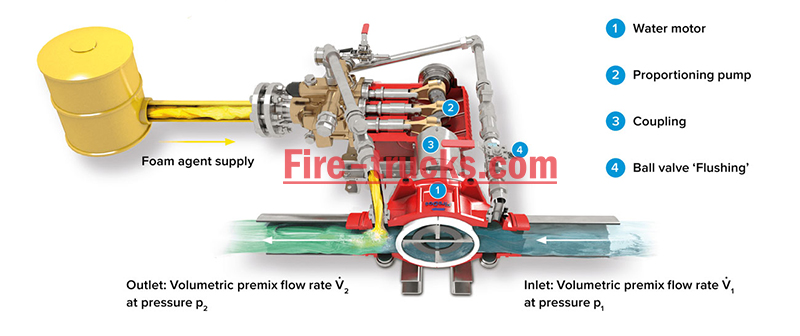
အမြှုပ်အချိုးညှိကိရိယာ၏ အခန်းကဏ္ဍ
အမြှုပ်အချိုးညှိကိရိယာသည် ရောစပ်မှုအချိုးကို ထိန်းချုပ်ပေးသော အဓိကအစိတ်အပိုင်းဖြစ်သည်။
၎င်းကို ပိုက်လိုင်းအတွင်း တပ်ဆင်ထားသည်။ ရေစီးဆင်းသွားသောအခါ ၎င်းသည် လေဟာနယ်တစ်ခု ဖန်တီးကာ အမြှုပ်အနှစ်ရည်ကို ရေစီးကြောင်းအတွင်းသို့ ဆွဲယူပေးသည်။ အများအားဖြင့် ရောစပ်မှုအချိုးများမှာ ၁%၊ ၃% နှင့် ၆% ဖြစ်သည်။
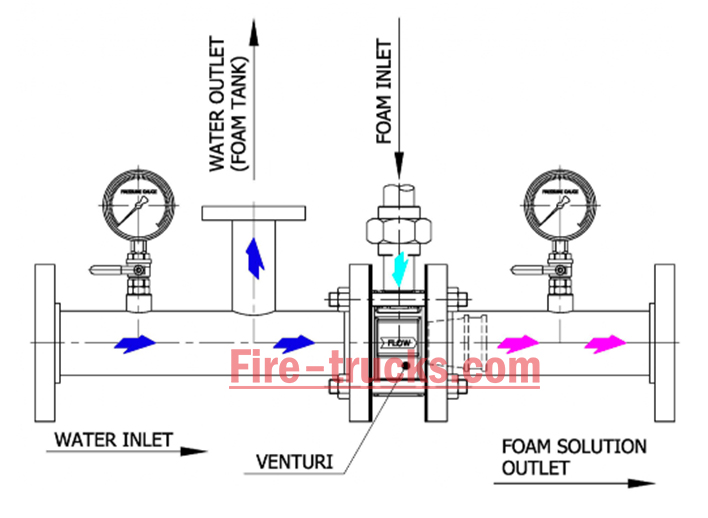
အချိုးညှိကိရိယာသည် ဝင်လာသော ရေဖိအားအပေါ် အလွန်အမင်း အာရုံခံနိုင်သည်။
| အခြေအနေ | ရလဒ် |
|---|---|
| ဖိအား အလွန်နိမ့်ခြင်း | အားနည်းသော လေဟာနယ် → အမြှုပ်အနှစ်ရည် ဝင်ရောက်မှု မလုံလောက်ခြင်း |
| ဖိအား အလွန်မြင့်ခြင်း | မမှန်ကန်သော အချိုး → အနှစ်ရည် ဖြုန်းတီးမှု သို့မဟုတ် အမြှုပ်အရည်အသွေး မကောင်းခြင်း |
အပိုပစ္စည်းများ
အချို့သော အမြှုပ်မီးသတ်ကားများတွင် ထိန်းချုပ်အဆို့ရှင်ပါသော အအေးပေးရေပိုက်လိုင်း ပါဝင်သည်။ ၎င်းသည် ရေရှည်အမြှုပ်အသုံးပြုမှုအတွင်း power take-off (PTO) ကို အအေးပေးကာ မောင်းနှင်စနစ်ကို အချိန်ကြာမြင့်စွာ ယုံကြည်စိတ်ချစွာ လည်ပတ်နိုင်စေသည်။
မီးငြှိမ်းသတ်နေစဉ် ဖိအားကျဆင်းသွားပါက အောက်ပါအဆင့်များကို လုပ်ဆောင်ပါ:
အင်ဂျင်အမြန်နှုန်းကို မြှင့်ပါ– ပန့် RPM မြှင့်တင်ရန် throttle ကို တိုးပါ
မလိုအပ်သော ထွက်ပေါက်များကို ပိတ်ပါ– ကျန်ရှိသော ပိုက်များသို့ ဖိအားပိုမို ရောက်ရှိမည်
ရေပေးဝေမှုကို စစ်ဆေးပါ– စစ်ကာပိတ်ဆို့နေပါသလား။ ရေအရင်းအမြစ် လုံလောက်ပါသလား။
ဂိုဗာနာမုဒ်သို့ ပြောင်းပါ– အလိုအလျောက် ထိန်းချုပ်မှုကို လုပ်ဆောင်ခွင့်ပေးပါ
ဖိအားကို ပြန်လည်မရရှိနိုင်သေးပါက၊ နော်ဇယ်ကိုင် မီးသတ်သမားသည် ပိုမိုနီးကပ်သောနေရာသို့ ရွှေ့ရန် သို့မဟုတ် ရေစီးဆင်းမှု လိုအပ်ချက်ကို လျှော့ချရန် သေးငယ်သော နော်ဇယ်ကို အသုံးပြုရန် လိုအပ်နိုင်သည်။
| အစိတ်အပိုင်း | လုပ်ဆောင်ချက် |
|---|---|
| ဖိအားတိုင်းကိရိယာများ | ပန့်မှ ထုတ်လွှတ်သော ဖိအားနှင့် ဝင်ရောက်ဖိအား (လေဟာနယ်) ကို ပြသသည် |
| အီလက်ထရွန်နစ် ဖိအားဂိုဗာနာ | သတ်မှတ်ထားသော ဖိအားကို အလိုအလျောက် ထိန်းသိမ်းပေးသည် |
| ဖိအားလျှော့ချ ဗားလ် | ဖိအားလွန်ကဲမှု ဖြစ်ပေါ်ခြင်းကို ကာကွယ်ပေးသည် |
| စီးဆင်းမှု မီတာ | ရေစီးဆင်းနှုန်းကို တိုင်းတာသည် (ပန့်ထုတ်လုပ်နိုင်စွမ်းကို အတည်ပြုရန် အသုံးပြုသည်) |
| ဝင်ရောက်ဖိအား တိုင်းကိရိယာ | လေဟာနယ် (ရေစုပ်ယူမှု) သို့မဟုတ် အပြုသဘောဆောင်သော ဖိအား (ဟိုက်ဒရန့်မှ ရေပေးဝေမှု) ကို ပြသသည် |
ပိုက်လိုင်းစနစ်သည် တိုင်ကီ သို့မဟုတ် ပြင်ပရေအရင်းအမြစ်မှ ရေကို ပန့်သို့ သယ်ဆောင်ပြီးနောက် ရေထုတ်ပေါက်များသို့ ပို့ဆောင်ပေးသည်။ ပိုက်လိုင်းအားလုံးကို အဆက်မပြတ် သံမဏိပိုက်ဖြင့် ပြုလုပ်ထားပြီး အစိတ်အပိုင်းအမျိုးမျိုးနှင့် ဖလန်ချ်များဖြင့် ချိတ်ဆက်ထားသည်။ အဆက်မပြတ် သံမဏိပိုက်သည် ဖိအားခံနိုင်ရည်မြင့်မားခြင်း၊ သံချေးစားခံနိုင်ရည်ကောင်းမွန်ခြင်းနှင့် အလုံပိတ်နိုင်စွမ်းကောင်းမွန်ခြင်းတို့ကို ပေးစွမ်းသည်။
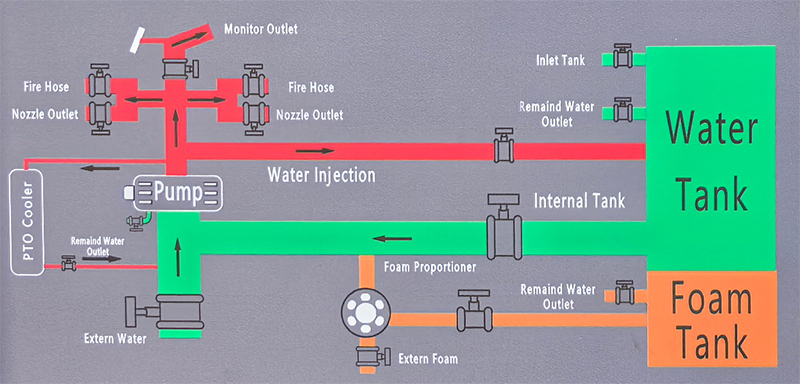
ပုံမှန်ဖွဲ့စည်းပုံ ဥပမာ (CS TRUCKS မီးသတ်ကား မော်ဒယ်အပေါ် အခြေခံထားသည်):
| ပိုက်လိုင်းအမျိုးအစား | အရွယ်အစား | အရေအတွက် | ထိန်းချုပ်ဗားလ် |
|---|---|---|---|
| တိုင်ကီမှ ရေထုတ်လိုင်း | DN150 | လိုင်း ၁ ခု | လက်ဖြင့် ထိန်းချုပ်သော ဘတ်တာဖလိုင်းဗားလ် |
| ပြင်ပ ရေဝင်ပေါက် | DN150 | ပေါက် ၁ ခု | လက်ဖြင့် ထိန်းချုပ်သော ဘတ်တာဖလိုင်းဗားလ် |
| စံသတ်မှတ်ထားသော ရေထုတ်ပေါက်များ | DN80 နှင့် DN65 | ၂ ခု (တစ်ဖက်စီတွင် တစ်ခုစီ) | ပန့်ပန်နယ်ဖြင့် ထိန်းချုပ်ထားသည် |
| မီးငြှိမ်းသတ်ရေဖျန်းကိရိယာ လိုင်း | DN80 | 1 လိုင်း | မော်နီတာ ဘောလ်ဗား |
| ပြင်ပဖြည့်သွင်း လိုင်းများ | DN65 | 2 လိုင်း | ပန့်ပန်နယ်ဖြင့် ထိန်းချုပ်ထားသည် |
| အတွင်းပိုင်း ဖြည့်သွင်းလိုင်း | DN65 | 1 လိုင်း | ပန့်ပန်နယ်ဖြင့် ထိန်းချုပ်ထားသည် |
| ရေထုတ် လိုင်း | - | 1 လိုင်း | ရေထုတ် ဗား |
ယာဉ်ရွေ့လျားမှုနှင့် ပန့်လည်ပတ်မှုမှ ဖြစ်ပေါ်သော တုန်ခါမှုများကို စုပ်ယူရန် တိုင်ကီနှင့် ပန့်ကြားကဲ့သို့ အရေးကြီးသော ချိတ်ဆက်နေရာများတွင် ပြောင်းလွယ်ပြင်လွယ်ရှိသော ချိတ်ဆက်ကိရိယာများကို အသုံးပြုထားသည်။ လည်ပတ်မှုများပြီးနောက် ကျန်ရှိသောရေကို ထုတ်ပယ်ရန် ပိုက်စနစ်၏ အနိမ့်ဆုံးနေရာတွင် ရေထုတ်ဗားကို တပ်ဆင်ထားပြီး အေးခဲခြင်းနှင့် သံချေးတက်ခြင်းကို ကာကွယ်ပေးသည်။ ထို့အပြင် ရှုပ်ထွေးသော လည်ပတ်အခြေအနေများတွင် PTO ကို အအေးပေးရန် ဘောလ်ဗားပါသော အအေးခံရေလိုင်းကိုလည်း ထည့်သွင်းပေးထားသည်။
မီးသတ်ယာဉ်များသည် အလျားလိုက်ဗဟိုအားသုံးပန့်များ၊ အီလက်ထရွန်နစ် ထိန်းညှိကိရိယာများ၊ ဖိအားလျှော့ဗားများ၊ သင့်လျော်သောအရွယ်အစားရှိသော ရေပိုက်များနှင့် ကျွမ်းကျင်သော ပန့်အော်ပရေတာများ ပေါင်းစပ်အသုံးပြုခြင်းဖြင့် ရေဖိအားကို ထိန်းသိမ်းထားသည်။
ဗဟိုအားသုံးပန့်သည် ပန်ကာပြားကို လည်ပတ်စေခြင်းဖြင့် ဖိအားကို ထုတ်ပေးသည်။ ကြီးမားသောယာဉ်များတွင် ပိုမိုအားကောင်းသော ပန့်များ လိုအပ်ပြီး အသေးစားယာဉ်များတွင် ၎င်းတို့၏ လိုအပ်ချက်နှင့် ကိုက်ညီသော အရွယ်အစားရှိ ပန့်များကို အသုံးပြုသည်။
ဖိအားထိန်းညှိကိရိယာသည် သတ်မှတ်ထားသော ဖိအားကို အလိုအလျောက် ထိန်းသိမ်းပေးသည်
ဖိအားလျှော့ဗားများသည် ဖိအားလွန်ကဲမှုကို ကာကွယ်ရန် စက်ပိုင်းဆိုင်ရာ အရန်ထောက်ပံ့မှု ပေးသည်
ပိုကြီးသော ရေပိုက်များနှင့် အဆင့်ဆင့်ပန့်တင်ခြင်းသည် အကွာအဝေးရှည်များတွင် ဖိအားဆုံးရှုံးမှုကို လျှော့ချပေးသည်
အမြှုပ်စနစ်များသည် ရောစပ်မှုအချိုးနှင့် ဖိအား နှစ်ခုလုံးကို ထိန်းသိမ်းရန် ရောစပ်ပေးစက်၏ တိကျသော ချိန်ညှိမှု လိုအပ်သည်
ပန့်အော်ပရေတာသည် လုပ်ငန်းဆောင်ရွက်မှုတစ်လျှောက် ဖိအားကို စောင့်ကြည့်ပြီး ချိန်ညှိပေးသည်
တည်ငြိမ်သော ဖိအားမရှိပါက ရေသည် မီးလောင်ရာနေရာသို့ မရောက်နိုင်သလို ထိရောက်စွာ အလုပ်လုပ်နိုင်မည်မဟုတ်ပါ။ ရေဖိအားကို ထိန်းသိမ်းခြင်းသည် အလိုအလျောက် ဖြစ်ပေါ်ခြင်းမဟုတ်ဘဲ သင့်လျော်သော ကိရိယာများ၊ မှန်ကန်သော တပ်ဆင်ပြင်ဆင်မှု၊ ပုံမှန်ပြုပြင်ထိန်းသိမ်းမှုနှင့် လေ့ကျင့်ထားသော ဝန်ထမ်းများ၏ အမြဲတမ်းဂရုပြုမှု လိုအပ်သည်။
မြို့ကြီးမီးသတ်ဌာနတစ်ခုအတွက် အကြီးစားမီးသတ်ယာဉ်ကို ပြင်ဆင်ခြင်းဖြစ်စေ၊ ကျေးလက်ဒေသများအတွက် အသေးစားယာဉ်ကို ပြင်ဆင်ခြင်းဖြစ်စေ၊ ရေဖိအားနှင့် သက်ဆိုင်သော အချက်အားလုံးကို ထည့်သွင်းစဉ်းစားရမည်။ အရေးကြီးဆုံးအချိန်တွင် ယုံကြည်စိတ်ချရပြီး တည်ငြိမ်သော ဖိအားကို ပေးစွမ်းနိုင်သော မီးသတ်ယာဉ်တစ်စီး လိုအပ်သည်။


အောက်ပါအချက်အလက်များကိုသင်စိတ်ဝင်စားလိမ့်မည်
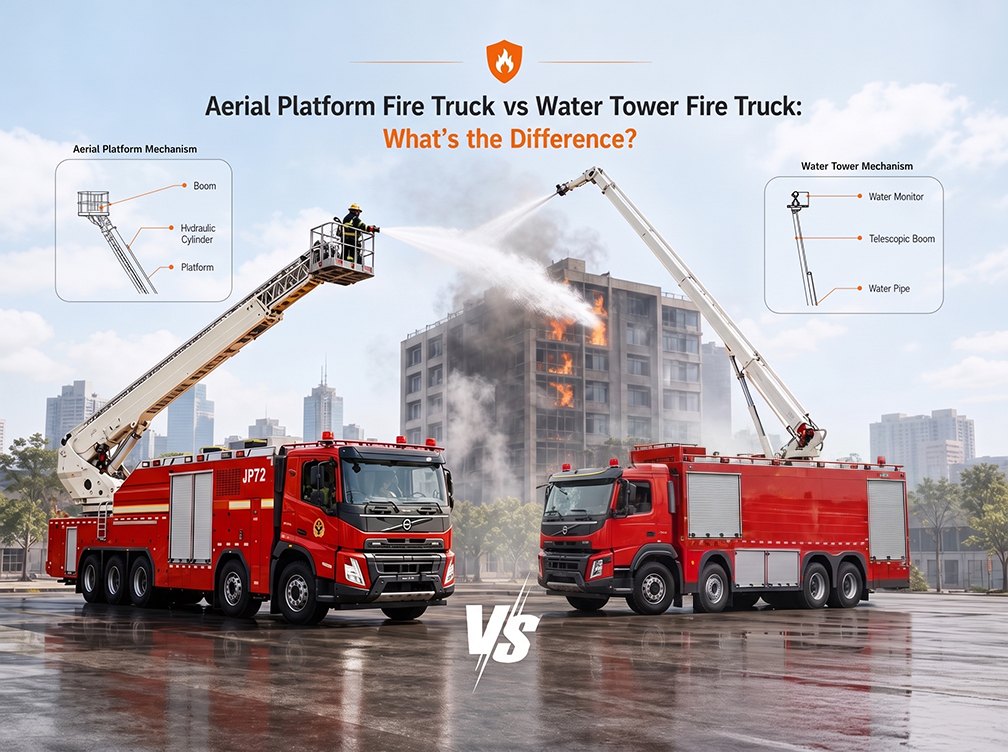
အထပ်မြင့်အဆောက်အအုံများ၊ စက်မှုလုပ်ငန်းအဆောက်အအုံများ သို့မဟုတ် ဂိုဒေါင်ကြီးများတွင် မီးငြှိမ်းသတ်ခြင်းနှင့် ပတ်သက်လာသောအခါ လေကြောင်းမီးသတ်ယာဉ်များသည် မရှိမဖြစ်လိုအပ်ပါသည်။ သို့သော် လေကြောင်းသုံးကိရိယာအမျိုးအစားများအနက် မကြာခဏ ရောထွေးနားလည်ခံရသည့် အမျိုးအစားနှစ်ခုရှိသည်။ လေကြောင်းပလက်ဖောင်း မီးသတ်ယာဉ် နှင့် ရေတာဝါ မီးသတ်ယာဉ် ဖြစ်သည်။ ပထမအမြင်တွင် ၎င်းတို့သည် ဆင်တူပုံပေါ်နိုင်သော်လည်း—နှစ်မျိုးစလုံးတွင် ဟိုက်ဒရောလစ်ဘွမ်များ ပါရှိပြီး အမြင့်နေရာများတွင် မီးငြှိမ်းသတ်ရန် ဒီဇိုင်းပြုလုပ်ထားသော်လည်း—၎င်းတို့၏ တာဝန်များမှာ အခြေခံအားဖြင့် ကွာခြားပါသည်။ ဤဆောင်းပါးသည် ယာဉ်အမျိုးအစားနှစ်ခုကြားရှိ အဓိကကွာခြားချက်များကို ခွဲခြမ်းဖော်ပြပြီး မီးသတ်ဝန်ဆောင်မှုကျွမ်းကျင်သူများ၊ ဝယ်ယူရေးမန်နေဂျာများနှင့် စက်ပစ္စည်းဖြန့်ချိသူများအား လုပ်ငန်းလည်ပတ်မှုလိုအပ်ချက်များအပေါ် အခြေခံ၍ အသိဉာဏ်ရှိသော ဆုံးဖြတ်ချက်များ ချမှတ်နိုင်ရန် ကူညီပေးပါသည်။ I. လေကြောင်းပလက်ဖောင်းယာဉ်များဆိုသည်မှာ အဘယ်နည်း? တရုတ်အမျိုးသားစံနှုန်း GB 7956.12-2015 အရ ယာဉ်နှစ်မျိုးစလုံးသည် လေကြောင်းမီးသတ်ယာဉ်များ အမျိုးအစားအောက်တွင် ပါဝင်ပြီး—အမြင့်နေရာလုပ်ငန်းများအတွက် အမြှောက်တင်ဘွမ်များ၊ လှည့်စားပွဲများနှင့် မီးသတ်ကိရိယာများ တပ်ဆင်ထားသော ယာဉ်များဖြစ်သည်။ သို့သော် ၎င်းတို့၏ သီးခြားအဓိပ္ပာယ်ဖွင့်ဆိုချက်များတွင် အရေးကြီးသော ကွာခြားချက်တစ်ရပ်ကို ဖော်ပြထားပါသည်။ လေကြောင်းပလက်ဖောင်း မီးသတ်ယာဉ် လေကြောင်းပလက်ဖောင်း မီးသတ်ယာဉ်တွင် ခေါက်နိုင်သော သို့မဟုတ် ခေါက်နိုင်ပြီး တယ်လီစကုပ်ပုံစံ ပေါင်းစပ်ဘွမ်၊ လူတင်ပလက်ဖောင်း၊ လှည့်စားပွဲနှင့် မီးသတ်ကိရိယာများ တပ်ဆင်ထားသည်။ သတ်မှတ်လက္ခဏာမှာ အလုပ်လုပ်ရန် ပလက်ဖောင်း (ပုံး) ဖြစ်ပြီး ၎င်းသည် ဘွမ်၏အဆုံးတွင် တည်ရှိကာ မီးသတ်သမားများက ကယ်ဆယ်ရေးနှင့် မီးငြှိမ်းသတ်ရေး လုပ်ငန်းများ ဆောင်ရွက်ရန် ရပ်နိုင်သောနေရာဖြစ်သည်။ အဓိကလက္ခဏာများ:• လူများနှင့် ကိရိယာများကို သယ်ဆောင်နိုင်သော ပလက်ဖောင်း တပ်ဆင်ထားပြီး 750 ပေါင်မှ 1,500 ပေါင်ကျော်အထိ သယ်ဆောင်နိုင်သည်• ကယ်ဆယ်ရေးနှင့် မီးငြှိမ်းသတ်ရေး နှစ်မျိုးစလုံးအတွက် ဒီဇိုင်းပြုလုပ်ထားပြီး—မီးသတ်သမားများသည် ပလက်ဖောင်းပေါ်မှ တိုက်ရိုက် လုပ်ဆောင်နိုင်သည်• ပလက်ဖောင်းကို အောက်ဆင်းထိန်းချုပ်ကိရိယာများ၊ ဟိုက်ဒရောလစ်ဝင်ချ်များ သို့မဟုတ် ကယ်ဆယ်ရေးလျှောများနှင့် အသုံးပြုနိုင်သည်• ရေတာဝါများနှင့် နှိုင်းယှဉ်ပါက အလျားလိုက်ရောက်ရှိနိုင်မှု ပိုမိုကျယ်ပြန့်ပြီး အလုပ်လုပ်နိုင်သော အကွာအဝေး ပိုမိုကြီးမားသည် II။ ရေတာဝါ မီးသတ်ယာဉ်များဆိုသည်မှာ အဘယ်နည်း? ရေတာဝါ မီးသတ်ယာဉ်တွင် ခေါက်နိုင်သော သို့မဟုတ် ခေါက်နိုင်ပြီး တယ်လီစကုပ်ပုံစံ ပေါင်းစပ်ဘွမ်၊ လှည့်စားပွဲနှင့် မီးသတ်ကိရိယာများ တပ်ဆင်ထားသည်—လူတင်ပလက်ဖောင်း မပါရှိပါ။ ထိုအစား ဘွမ်၏အဆုံးတွင် မီးသတ်ရေဖြန်းကိရိယာ (ရေမြောက်) ကို တပ်ဆင်ထားပြီး မြေပြင်မှ အဝေးထိန်းစနစ်ဖြင့် ထိန်းချုပ်နိုင်သည်။ အဓိကလက္ခဏာများ:• လူတင်ပလက်ဖောင်း မရှိပါ—မီးသတ်သမားများသည် အဝေးထိန်းစနစ်ဖြင့် မြေပြင်မှ လုပ်ဆောင်သည်• အဓိကအားဖြင့် အမြင့်နေရာ မီးငြှိမ်းသတ်ခြင်း ကိုသာ အာရုံစိုက်ပြီး ကယ်ဆယ်ရေး မဟုတ်ပါ• အလွန်မြင့်မားသော ရေစီးနှုန်းကို ပေးစွမ်းနိုင်သည်—တစ်မိနစ်လျှင် ဂါလံ ၂,၀၀၀ ကျော်အထိစက်မှုလုပ်ငန်းသုံး မော်ဒယ်အများအပြားတွင်ကယ်ဆယ်ရေးစွမ်းရည် မလိုအပ်သော စက်မှုလုပ်ငန်း မီးဘေးကာကွယ်ရေးအတွက် ဒီဇိုင်းပြုလုပ်ထားသည် III. ဘေးချင်းယှဉ် နှိုင်းယှဉ်ချက် အင်္ဂါရပ် အမြင့်တင်ပလက်ဖောင်း မီးသတ်ကား ရေတာဝါ မီးသတ်ကား အဓိကလုပ်ဆောင်ချက် ကယ်ဆယ်ရေး + မီးငြှိမ်းသတ်ရေး မီးငြ...
အသေးစိတ်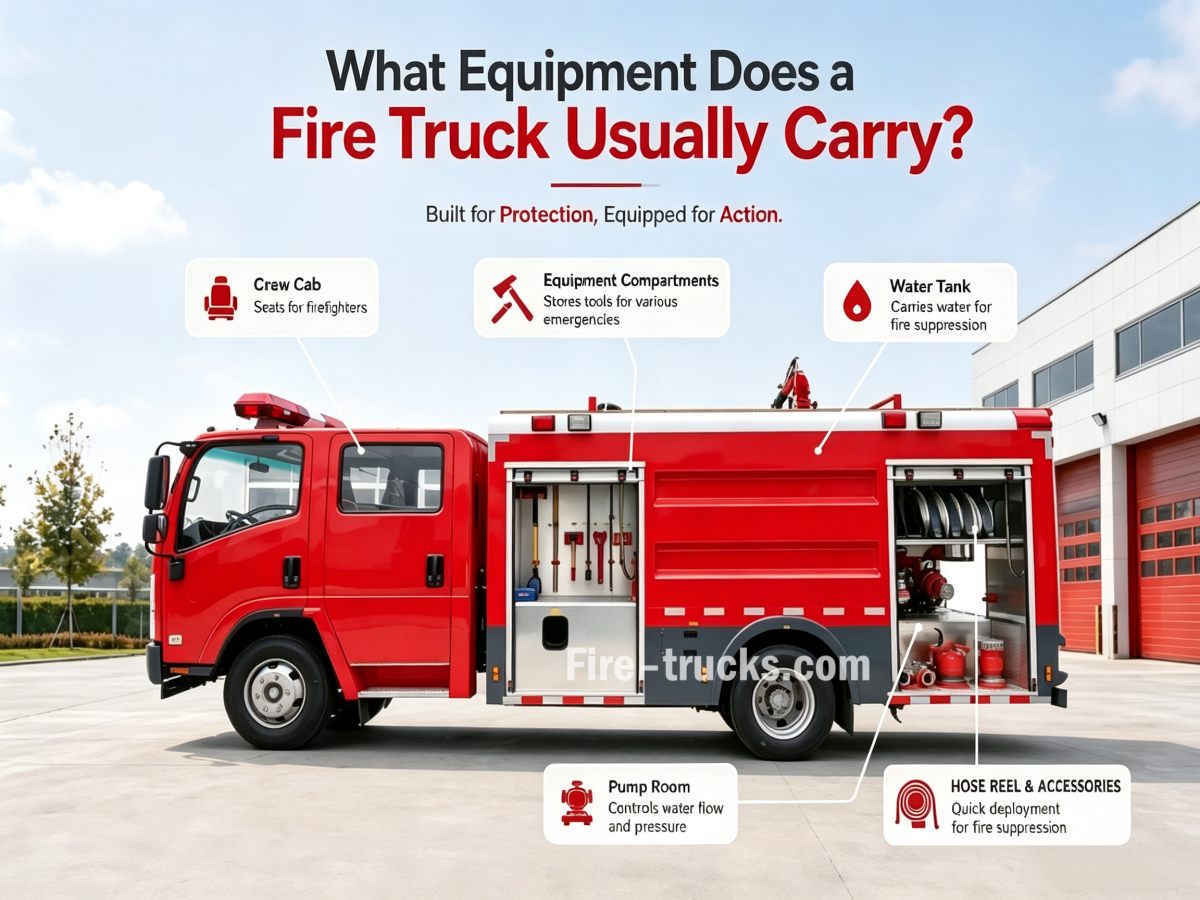
မီးသတ်ကားတစ်စီးတွင် ပုံမှန်အားဖြင့် မီးငြှိမ်းသတ်ရေး၊ ရေပေးဝေရေး၊ ကယ်ဆယ်ရေးနှင့် ဘေးကင်းလုံခြုံရေးကာကွယ်ရေး ပစ္စည်းများကို သယ်ဆောင်ထားသည်။ ပုံမှန်ပါဝင်သော ပစ္စည်းများတွင် မီးသတ်ပန့်များ၊ ရေတိုင်ကီများ၊ မီးသတ်ပိုက်များ၊ မီးသတ်ခေါင်းများ၊ မီးသတ်ရေစက်များ၊ ဗားလ်များ၊ မီးသတ်လှေကားများ၊ ကယ်ဆယ်ရေးကိရိယာများ၊ ကာကွယ်ရေးဝတ်စုံများနှင့် ဆက်သွယ်ရေးကိရိယာများ ပါဝင်သည်။ ဤဆောင်းပါးတွင် စံသတ်မှတ်ထားသော မီးသတ်ကားပစ္စည်းများ၏ အမျိုးအစားခွဲခြားမှု၊ လုပ်ဆောင်ချက်များနှင့် ရွေးချယ်ရာတွင် ထည့်သွင်းစဉ်းစားရမည့် အချက်များကို စနစ်တကျ ခွဲခြမ်းဖော်ပြထားပြီး ဝယ်ယူရေးကျွမ်းကျင်သူများနှင့် နောက်ဆုံးအသုံးပြုသူများအတွက် မီးသတ်ယာဉ်ဖွဲ့စည်းပုံများကို ပြည့်စုံစွာ နားလည်နိုင်ရန် ကူညီပေးသည်။ I. မီးသတ်ကားပစ္စည်းများ၏ အမျိုးအစားခွဲခြားမှု 1. မီးငြှိမ်းသတ်ရေးပစ္စည်းများ— တိုက်ရိုက်မီးငြှိမ်းသတ်ရန် အဓိကအသုံးပြုသော ကိရိယာများဖြစ်ပြီး မီးသတ်ခေါင်းများ၊ မီးသတ်ရေစက်များ၊ မီးသတ်ပိုက်များ၊ ရေခွဲစက်များနှင့် ချိတ်ဆက်ကိရိယာများ ပါဝင်သည်။ 2. ကယ်ဆယ်ရေးနှင့် ဖောက်ဖျက်ဝင်ရောက်ရေးပစ္စည်းများ— ကယ်ဆယ်ရေးနှင့် မီးငြှိမ်းသတ်ရေးလုပ်ငန်းများအတွက် ဝင်ရောက်လမ်းကြောင်းများ ဖန်တီးရန် အသုံးပြုသော ကိရိယာများဖြစ်ပြီး ဟိုက်ဒရောလစ်ကယ်ဆယ်ရေးကိရိယာများ၊ မီးသတ်ပုဆိန်များ၊ လီဗာတံများ၊ သံတံများ၊ ဖြတ်တောက်စက်များနှင့် ချိန်းဆွဲလွှများ ပါဝင်သည်။ 3. ကယ်ဆယ်ရေးနှင့် အသက်ကယ်ပစ္စည်းများ— လူများကို ရှာဖွေခြင်း၊ ရွှေ့ပြောင်းပို့ဆောင်ခြင်းနှင့် ကာကွယ်ခြင်းအတွက် အသုံးပြုသော ပစ္စည်းများဖြစ်ပြီး လှည်းထမ်းများ၊ ကယ်ဆယ်ရေးကြိုးများ၊ လုံခြုံရေးချိတ်များ၊ ဆင်းသက်မှုထိန်းချုပ်ကိရိယာများ၊ ကိုယ်တိုင်ပါဝင်အသက်ရှူကိရိယာ (SCBA) နှင့် အပိုလေဘူးများ ပါဝင်သည်။ 4. မီးခိုးထုတ်လွှတ်ရေးနှင့် အလင်းရောင်ပစ္စည်းများ— မီးလောင်ရာနေရာ၏ အခြေအနေများကို တိုးတက်ကောင်းမွန်စေရန် အသုံးပြုသော ပစ္စည်းများဖြစ်ပြီး မီးခိုးထုတ်စက်များ၊ ရွှေ့ပြောင်းနိုင်သော အလင်းရောင်မျှော်စင်များနှင့် သယ်ဆောင်နိုင်သော အလင်းအားမြင့် ရှာဖွေရေးမီးများ ပါဝင်သည်။ 5. ကိုယ်ပိုင်ကာကွယ်ရေးပစ္စည်းများ (PPE)— မီးသတ်သမားများ၏ ဘေးကင်းလုံခြုံရေးကို ကာကွယ်ရန် ဝတ်ဆင်အသုံးပြုသော ပစ္စည်းများဖြစ်ပြီး ဦးထုပ်များ၊ မီးငြှိမ်းသတ်ရေးကာကွယ်ဝတ်စုံများ၊ လက်အိတ်များ၊ ဘွတ်ဖိနပ်များနှင့် လုံခြုံရေးခါးပတ်များ ပါဝင်သည်။ 6. ဆက်သွယ်ရေးနှင့် စူးစမ်းရှာဖွေရေးပစ္စည်းများ— မီးလောင်ရာနေရာရှိ အချက်အလက်စုဆောင်းခြင်းနှင့် အမိန့်ညွှန်ကြားမှု ပူးပေါင်းဆောင်ရွက်ခြင်းအတွက် အသုံးပြုသော ပစ္စည်းများဖြစ်ပြီး နှစ်လမ်းသွားရေဒီယိုများ၊ အပူပုံရိပ်ဖမ်းကင်မရာများနှင့် အဆိပ်ဓာတ်ငွေ့ရှာဖွေစက်များ ပါဝင်သည်။ II. မီးသတ်ကားများပေါ်ရှိ မီးငြှိမ်းသတ်ရေးပစ္စည်းများ 1. မီးသတ်ပန့် မီးသတ်ပန့်သည် မီးငြှိမ်းသတ်ရေးလုပ်ငန်းအားလုံးအတွက် စွမ်းအင်ရင်းမြစ်ဖြစ်သည်။ ၎င်းသည် ရေကို စက်ပိုင်းဆိုင်ရာဖြင့် ဖိအားမြှင့်ပေးပြီး "ရေစုပ်ယူခြင်း → ဖိအားမြှင့်ခြင်း → ပို့ဆောင်ခြင်း → ထုတ်လွှတ်ခြင်း" လုပ်ငန်းစဉ်အပြည့်အစုံကို ပြီးမြောက်ရန် လုံလောက်သော ရွေ့လျားစွမ်းအင်ကို ပေးသည်။ ပုံမှန် မီးသတ်ပန့် သတ်မှတ်ချက်များ: •စံဖိအား မီးသတ်ပန့် (CB10/30 အမျိုးအစား):စီးဆင်းနှုန်း ≥30L/s၊ သတ်မှတ်ဖိအား 1.0MPa၊ နောက်ဘက်တပ်ဆင်ပုံစံ။ ပုံမှန်ရေသယ်ယာဉ်များနှင့် ဖိုမ်မီးသတ်ကားများအတွက် သင့်လျော်ပြီး မြို့ပြနှင့် စက်မှုလုပ်ငန်း မီးငြှိမ်းသတ်ရေး ရေပေးဝေမှုလိုအပ်ချက်အများစုကို ဖြည့်ဆည်းပေးနိုင်သည်။ •အလယ်အလတ်/မြင့်ဖိအား မီးသတ်ပန့်:ဖိအားနိမ့် စီးဆင်းနှုန်း 1.0MPa တွင် 30L/s၊ ဖိအားမြင့် စီးဆင်းနှုန...
အသေးစိတ်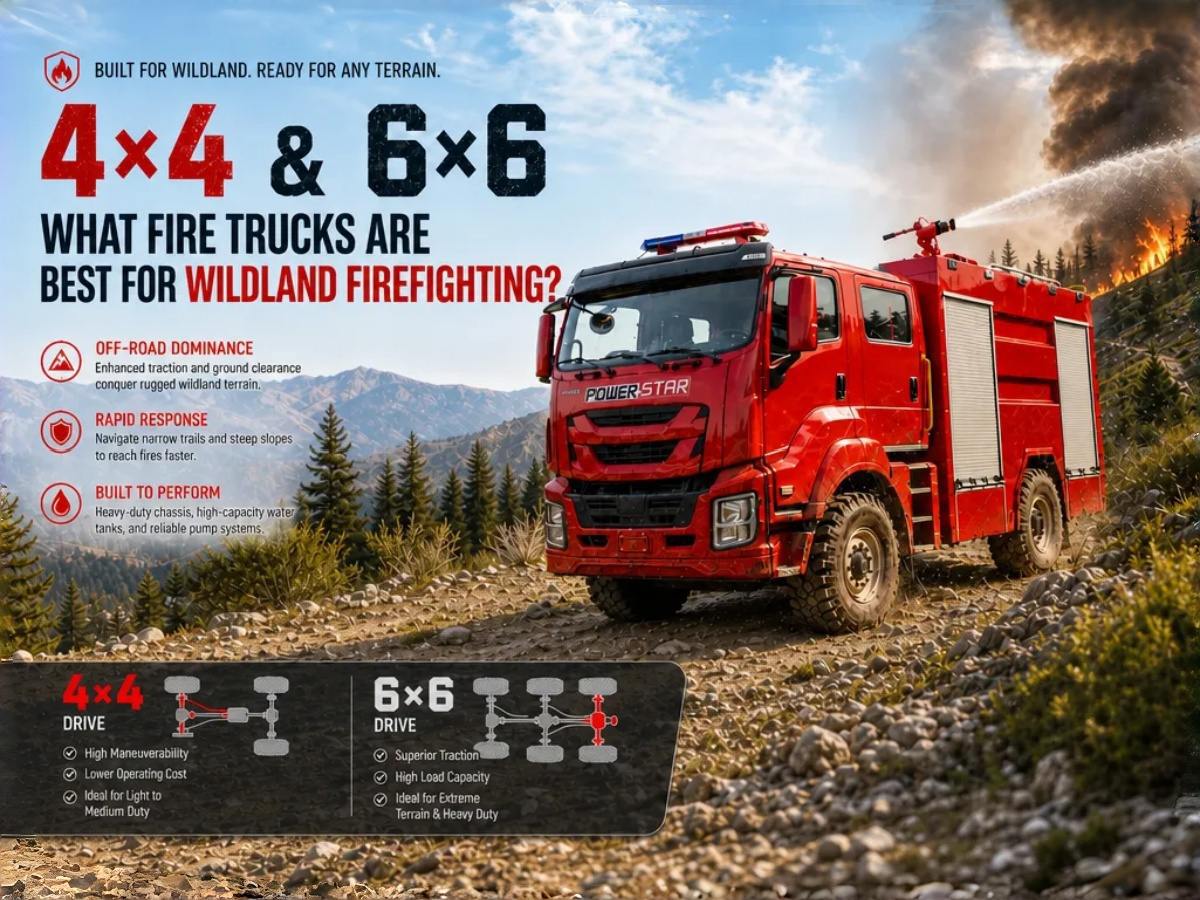
တောမီးငြှိမ်းသတ်ရေးသည် အဆောက်အအုံမီးငြှိမ်းသတ်ရေးနှင့် အခြေခံအားဖြင့် ကွဲပြားသော စိန်ခေါ်မှုများကို ဖြစ်ပေါ်စေသည်။ ဝေးလံသော သစ်တောများ၊ မြက်ခင်းပြင်များနှင့် တောင်တန်းဒေသများတွင် မီးသတ်ကားများသည် ကျဉ်းမြောင်းသော လမ်းကြောင်းများကို ဖြတ်သန်းသွားလာရပြီး၊ မတ်စောက်သော တောင်စောင်းများကို တက်ရောက်ရကာ မီးသတ်ရေပိုက်ခေါင်းများ သို့မဟုတ် ရေအရင်းအမြစ်များမှ ဝေးကွာသောနေရာများတွင် လည်ပတ်လုပ်ဆောင်ရသည်။ သင့်တော်သော မီးငြှိမ်းသတ်ရေးကား ကို ရွေးချယ်ခြင်းသည် တုံ့ပြန်ချိန်၊ အဖွဲ့သားများ၏ လုံခြုံရေးနှင့် မီးငြှိမ်းသတ်မှု ထိရောက်မှုတို့ကို တိုက်ရိုက်သက်ရောက်စေသော မဟာဗျူဟာကျ ဆုံးဖြတ်ချက်တစ်ခု ဖြစ်သည်။ ဤဆောင်းပါးတွင် တောမီးငြှိမ်းသတ်ရေးအတွက် အသင့်တော်ဆုံး မီးသတ်ကားအမျိုးအစားများ၊ ၎င်းတို့၏ အဓိကအင်္ဂါရပ်များနှင့် ရွေးချယ်နည်းများကို ပြည့်စုံစွာ ခွဲခြမ်းဖော်ပြထားပြီး သင်၏ သီးခြားလုပ်ငန်းလိုအပ်ချက်များအပေါ် အခြေခံ၍ မှန်ကန်သော ဆုံးဖြတ်ချက်ချနိုင်ရန် ကူညီပေးသည်။ အမြန်အဖြေ တောမီးများတွင် မီးလောင်ဧရိယာကြီးမားခြင်း၊ မြေမျက်နှာသွင်ပြင်ရှုပ်ထွေးခြင်း၊ ရေအရင်းအမြစ်ကန့်သတ်ခြင်းနှင့် လမ်းအခြေအနေမကောင်းခြင်းတို့ ရှိသောကြောင့် သစ်တောမီးအခြေအနေအားလုံးကို ကိုင်တွယ်နိုင်သည့် မီးသတ်ကားတစ်မျိုးတည်း မရှိပါ။ ယေဘုယျအားဖြင့် တောမီးငြှိမ်းသတ်ရေးတွင် အောက်ပါ မီးသတ်ကားအမျိုးအစားများကို အဓိကအသုံးပြုသည်။ • ပေါ့ပါးသော တောမီးသတ်ကားများ: သစ်တောလမ်းများသို့ ဝင်ရောက်ရန်နှင့် လျင်မြန်စွာ တုံ့ပြန်ရန်• 4×4 လမ်းကြမ်းသွားနိုင်သော တောမီးသတ်ကားများ: တောင်တန်းနှင့် တောင်ကုန်းမြေမျက်နှာသွင်ပြင်များအတွက်• 6×6 တောမီးသတ်ကားများ: အကြီးစား သစ်တောမီးများနှင့် ရေရှည်လုပ်ငန်းဆောင်ရွက်မှုများအတွက်• ရေတင်ယာဉ်များ: ဆက်တိုက်ရေပေးဝေရန်နှင့် အထောက်အပံ့ပေးရန်• အမြှုပ်မီးသတ်ကားများ: ဆီစက်ရုံများ၊ သစ်တောစက်ကိရိယာများ သို့မဟုတ် အထူးမီးလောင်မှုများအတွက်• ကယ်ဆယ်ရေးယာဉ်များ: ဆက်သွယ်ရေး၊ အလင်းရောင်ပေးခြင်း၊ ဖောက်ဖျက်ဝင်ရောက်ခြင်းနှင့် ထောက်ပံ့ပို့ဆောင်ရေးအတွက် I. ဘာကြောင့် တောမီးများတွင် အထူးပြု မီးသတ်ကားများ လိုအပ်သနည်း။ တောမီးများသည် အောက်ပါ အရေးကြီးသောအချက်များတွင် အဆောက်အအုံမီးများနှင့် အခြေခံအားဖြင့် ကွဲပြားသည်။ တောမီးများ၏ အဓိကလက္ခဏာများ:• ဟက်တာများစွာ ကျယ်ဝန်းသော မီးလောင်ဧရိယာများ• လေတိုက်ဦးတည်ချက် လျင်မြန်စွာ ပြောင်းလဲခြင်း• ရှုပ်ထွေးပြီး ကြမ်းတမ်းသော မြေမျက်နှာသွင်ပြင်• မီးသတ်ရေပိုက်ခေါင်းများ သို့မဟုတ် ရေအရင်းအမြစ်များသို့ ဝင်ရောက်ခွင့် အကန့်အသတ်ရှိခြင်း သို့မဟုတ် မရှိခြင်း• ကျဉ်းမြောင်းပြီး ခင်းမထားသော သစ်တောလမ်းများ• ဆက်သွယ်ရေးအခြေအနေ ခက်ခဲခြင်း ပုံမှန် မြို့ပြမီးသတ်ကားများသည် အောက်ပါအကြောင်းရင်းများကြောင့် တောမီးငြှိမ်းသတ်ရေးအတွက် ယေဘုယျအားဖြင့် မသင့်တော်ပါ။ •ခင်းမထားသော တောင်လမ်းများနှင့် မတ်စောက်သော တောင်စောင်းများအတွက် 4×4 သို့မဟုတ် ဘီးအားလုံးမောင်းစနစ် မရှိခြင်း;•အရွယ်အစားကြီးပြီး မြေပြင်အကွာအဝေးနည်းသောကြောင့် ကျဉ်းမြောင်းသော သစ်တောလမ်းများနှင့် ပျော့ပျောင်းသော မြေပြင်များတွင် နစ်မြုပ်ပိတ်မိနိုင်ခြင်း;•မြို့ပြမီးသတ်ပန့်များသည် အလယ်အလတ်ဖိအားဖြင့် ရေစီးနှုန်းမြင့်မားမှုကို ဦးစားပေးသော်လည်း တောမီးငြှိမ်းသတ်ရေးတွင် ရေအနည်းငယ်ဖြင့် ရှည်လျားသော ပိုက်ခင်းများမှတစ်ဆင့် ဖိအားမြင့်မားစွာ အသုံးပြုရန် လိုအပ်ပြီး ချဉ်းကပ်ပုံမှာ အခြေခံအားဖြင့် ကွဲပြားသည်။ II. အသုံးများသော တောမီးသတ်ကား အမျိုးအစားများ မီးသတ်ကားအမျိုးအစား အဓိကလက္ခဏာများ အသုံးချနိုင်သော အခြေအနေများ ပေါ့ပါးသော တောမီးသတ်ကား ရွေ့လျားနိုင်မှုမြင့်မားပြီး အရွယ်အစားကျစ်လျ...
အသေးစိတ်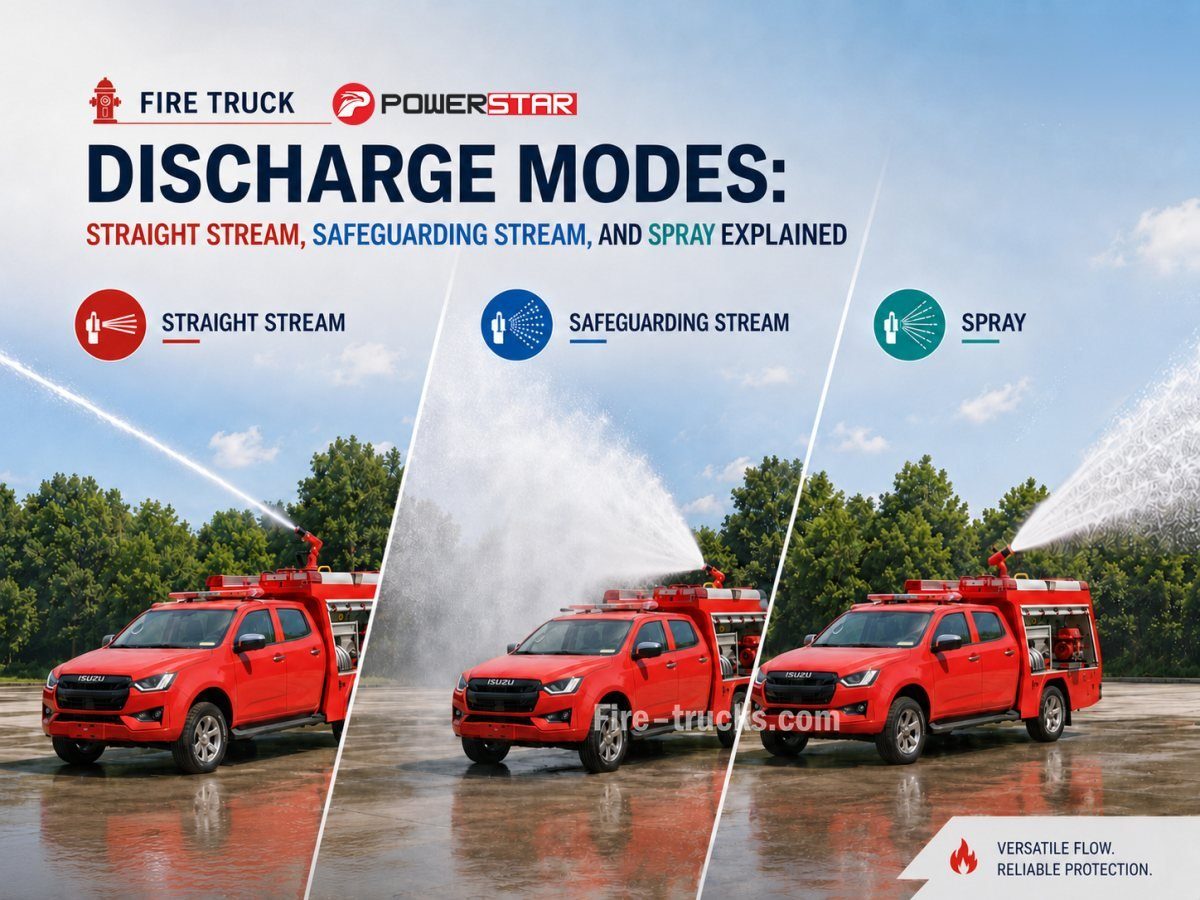
မီးငြှိမ်းသတ်ရေးလုပ်ငန်းများတွင် ထုတ်လွှတ်မှုပုံစံရွေးချယ်ခြင်းသည် မီးငြှိမ်းသတ်မှု ထိရောက်မှု၊ လုပ်ငန်းလုံခြုံရေးနှင့် မီးထိန်းချုပ်နိုင်မှု ထိရောက်ချက်ကို တိုက်ရိုက်ဆုံးဖြတ်ပေးသည်။ လူအများစုသည် မီးသတ်ကား ခေါင်းများသည် အဓိက ရေထုတ်လွှတ်မှုပုံစံ သုံးမျိုးဖြစ်သော တန်းရေစီး၊ ဖြန့်ကျက်ရေစီးနှင့် ကာကွယ်ရေးရေစီးတို့အကြား ပြောင်းလဲအသုံးပြုနိုင်သည်ကို မသိကြပါ။ ပုံစံတစ်မျိုးစီသည် စီးဆင်းမှုပုံစံ၊ အကွာအဝေး၊ ထိခိုက်အားနှင့် ဖုံးလွှမ်းဧရိယာတို့တွင် သိသိသာသာ ကွာခြားပြီး မတူညီသော မီးအခြေအနေများအတွက် အသုံးပြုရမည့် နည်းလမ်းများလည်း လုံးဝကွဲပြားပါသည်။ ဤဆောင်းပါးသည် ကျွမ်းကျင်သော မီးငြှိမ်းသတ်ရေး လုပ်ငန်းစံနှုန်းများကို အခြေခံ၍ ရေထုတ်လွှတ်မှုပုံစံ သုံးမျိုး၏ အခြေခံသဘောတရားများ၊ အဓိကလက္ခဏာများနှင့် အသုံးပြုသင့်သည့် အခြေအနေများကို ပြည့်စုံစွာ ခွဲခြမ်းလေ့လာထားပြီး ကျွန်ုပ်တို့၏ ဖောက်သည်များအား မီးသတ်ကား ရေထုတ်လွှတ်မှုနည်းပညာများကို စနစ်တကျ ကျွမ်းကျင်နိုင်ရန် ကူညီပေးပါသည်။ I. မီးသတ်ကားများတွင် မတူညီသော ရေထုတ်လွှတ်မှုပုံစံများ ဘာကြောင့် လိုအပ်သနည်း? တန်းရေစီး၊ ဖြန့်ကျက်ရေစီးနှင့် ကာကွယ်ရေးရေစီးတို့သည် မီးငြှိမ်းသတ်ရေး ယန္တရား သုံးမျိုးဖြစ်သော ထိခိုက်ဖိအားဖြင့် ငြှိမ်းသတ်ခြင်း၊ အငွေ့ပျံမှုဖြင့် အသက်ရှူကျပ်စေခြင်းနှင့် အပူရောင်ခြည်ကာကွယ်ခြင်းတို့နှင့် ကိုက်ညီပါသည်။ မီးသတ်သမားများသည် နေရာအခြေအနေအရ ပြောင်းလဲအသုံးပြုရမည်ဖြစ်သည်။ ထို့ကြောင့်၊ ရေစီးပုံစံတစ်မျိုးတည်းကို ဘာကြောင့် အမြဲအသုံးမပြုနိုင်သနည်း? 1. မီးအမျိုးအစားများ၏ ကွဲပြားမှုသည် မတူညီသော ငြှိမ်းသတ်ပစ္စည်းပုံစံများကို လိုအပ်စေသည် မီးအမျိုးအစားတစ်မျိုးစီတွင် လောင်ကျွမ်းမှုလက္ခဏာ မတူညီကြပြီး ၎င်းတို့က သင့်လျော်သော ငြှိမ်းသတ်နည်းလမ်းကို သတ်မှတ်ပေးသည်: • Class A အစိုင်အခဲပစ္စည်း မီးများတွင် လောင်ကျွမ်းနေသော ပစ္စည်းများကို ခွဲဖျက်ရန်နှင့် အတွင်းပိုင်းအအေးပေးရန် တန်းရေစီး၏ ထိခိုက်အားကို လိုအပ်သည်; • Class B အရည်မီးများတွင် တန်းရေစီး၏ ထိခိုက်အားကို အသုံးမပြုနိုင်ပါ (ရေဖျန်းပျံ့နှံ့ပြီး မီးပိုမိုပြန့်ပွားစေနိုင်သောကြောင့်)၊ ဖုံးအုပ်ခြင်းနှင့် ပျော့ဖျော့ပျော်စေရန် ကာကွယ်ရေးရေစီး သို့မဟုတ် ဖြန့်ကျက်ရေစီးကို အသုံးပြုသင့်သည်; • Class E လျှပ်စစ်အားရှိသော မီးများတွင် ဖြန့်ကျက်ရေစီးကိုသာ အသုံးပြုနိုင်သည်၊ အကြောင်းမှာ ရေမှုန်သေးများသည် ဆက်တိုက်လျှပ်စီးကူးနိုင်သော လမ်းကြောင်းကို မဖွဲ့စည်းနိုင်သောကြောင့် ဖြစ်သည်; • ပိတ်လှောင်ထားသော နေရာမီးများတွင် ဖြန့်ကျက်ရေစီးဖြင့် နေရာတစ်ခုလုံးကို ဖြည့်ပေးရပြီး အငွေ့ပျံမှု အပူစုပ်ယူခြင်းနှင့် အသက်ရှူကျပ်စေခြင်းမှတစ်ဆင့် မီးငြှိမ်းသတ်ရသည်။ ပုံစံတစ်မျိုးတည်းဖြင့် မီးအမျိုးအစားအားလုံးကို ကိုက်ညီစွာ ကိုင်တွယ်နိုင်မည်မဟုတ်ပါ။ 2. မီးတစ်ခုတည်း၏ အဆင့်ကွဲပြားမှုများသည် မတူညီသော နည်းဗျူဟာများကို လိုအပ်စေသည် မီးတစ်မျိုးတည်းဖြစ်သော်လည်း အဆင့်အလိုက် မတူညီသော ရေထုတ်လွှတ်မှုပုံစံများ လိုအပ်ပါသည်: • မီးပြင်းထန်နေသော အစပိုင်းအဆင့်တွင် မီးနေရာကို အဝေးမှ ထိရောက်စွာ တိုက်ခိုက်၍ အမြန်ထိန်းချုပ်ရန် တန်းရေစီး လိုအပ်သည်; • ရှေ့သို့ တိုးဝင်စဉ်တွင် အပူရောင်ခြည်ကို တားဆီးပြီး ဝန်ထမ်းများကို ကာကွယ်ရန် ရေကာတံတိုင်းဖွဲ့စည်းပေးသော ကာကွယ်ရေးရေစီး လိုအပ်သည်; • အခန်းအတွင်း ဝင်ရောက်မီ မီးခိုးနှင့် ဓာတ်ငွေ့များကို အအေးပေးကာ ပျော့ဖျော့စေရန် ဖြန့်ကျက်ရေစီး လိုအပ်ပြီး အတွင်းပိုင်း တိုက်ခိုက်မှုအတွက် အခြေအနေဖန်တီးပေးသည်။ ရေစီးပုံစံတစ်မျိုးတည်းဖြင့် မီးငြှိမ်းသတ်ရေးလုပ်ငန်းစဉ်တစ်လျှောက်လုံး၏ လိုအပ်ချက်များကို မဖြည့်ဆည်းနိုင်ပါ။ 3. အကွာအဝေ...
အသေးစိတ်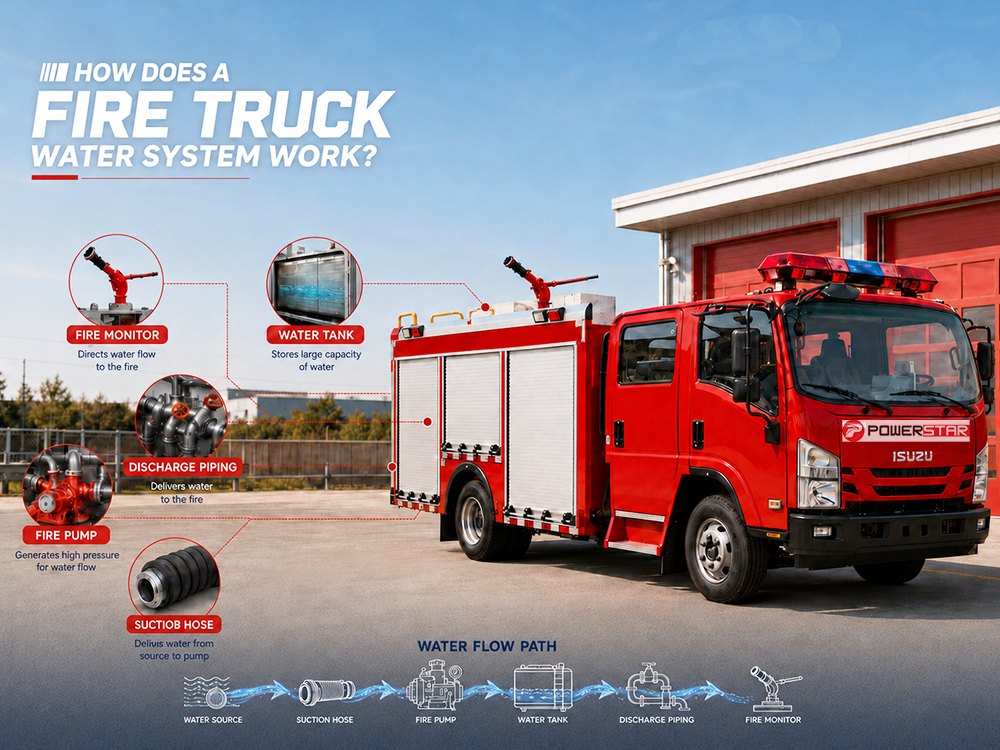
မီးသတ်ယာဉ် ရေပိုက်ဆက်သွယ်မှုစနစ်သည် မီးငြှိမ်းသတ်ရေးလုပ်ငန်းတိုင်း၏ အဓိကအစိတ်အပိုင်းဖြစ်သည်။ ၎င်းသည် တိုင်ကီ သို့မဟုတ် ပြင်ပရေအရင်းအမြစ်မှ ရေကို ပန့်၊ အဆို့ရှင်များနှင့် ပိုက်လိုင်းများမှတစ်ဆင့် တိကျစွာ လမ်းညွှန်ပေးပြီး ဖိအားမြင့်ရေ သို့မဟုတ် အမြှုပ်များကို မီးလောင်ရာနေရာသို့ ပို့ဆောင်ပေးသည် — ထူထပ်သော မြို့လယ်ဧရိယာရှိ အထပ်မြင့်အဆောက်အအုံ မီးလောင်မှုဖြစ်စေ၊ စက်မှုဇုန်ရှိ ရေနံဓာတုသိုလှောင်ကန် မီးလောင်မှုဖြစ်စေ အသုံးပြုနိုင်သည်။မီးသတ်ယာဉ်ရေပိုက်ဆက်သွယ်မှုစနစ်တွင် အပြန်အလှန်ပူးပေါင်းလုပ်ဆောင်သော အစိတ်အပိုင်းများစွာ ပါဝင်သည်။ ၎င်းတို့မှာ မီးသတ်ပန့်၊ ရေတိုင်ကီ၊ စုပ်ပိုက်၊ ရေထုတ်ပိုက်လိုင်း၊ အဆို့ရှင်များ၊ ခွဲဝေချိတ်ဆက်ကိရိယာ၊ စုစည်းချိတ်ဆက်ကိရိယာ၊ စစ်ကာ၊ မီးသတ်ရေဖျန်းခေါင်း၊ ပိုက်ချိတ်ဆက်ကိရိယာများနှင့် အခြားအရာများ ဖြစ်သည်။ ပြီးပြည့်စုံသော ရေစီးဆင်းလမ်းကြောင်းမှာ:ရေတိုင်ကီ → စုပ်ပိုက် → စစ်ကာ → မီးသတ်ပန့် → ဖိအားထိန်းညှိစနစ် → ရေထုတ်ခွဲပိုင်း → အဆို့ရှင်များ → ခွဲဝေချိတ်ဆက်ကိရိယာ → မီးသတ်ရေဖျန်းခေါင်း / ပိုက်ချိတ်ဆက်ကိရိယာများ → ရေပန်းခေါင်း ဤဆောင်းပါးတွင် ရေပိုက်ဆက်သွယ်မှုစနစ်၏ အစိတ်အပိုင်းတစ်ခုချင်းစီနှင့် ၎င်းတို့သည် မှန်ကန်သော ဖိအားနှင့် ရေစီးနှုန်းဖြင့် ရေပို့ဆောင်နိုင်ရန် မည်သို့အတူတကွ လုပ်ဆောင်ကြသည်ကို ရှင်းပြထားသည်။ I. ရေပိုက်ဆက်သွယ်မှုစနစ်၏ အဓိကအစိတ်အပိုင်းများ ရေတိုင်ကီ ယာဉ်ပေါ်ရှိ ရေပေးဝေမှုကို သိုလှောင်ထားသည်။ ● ပမာဏ:ပုံမှန်အားဖြင့် 2,000–12,000 လီတာ ဖြစ်သည်။ ● ပို့ဆောင်မှု:ရေဝင်ပိုက်လိုင်းမှတစ်ဆင့် ပန့်သို့ ရေပို့ပေးသည်။ ● အင်္ဂါရပ်များ:ယာဉ်တည်ငြိမ်မှုအတွက် ရေလှုပ်ရှားမှုလျှော့ချကာများ၊ အညစ်အကြေးများကို စစ်ထုတ်ရန် စစ်ကာနှင့် သဘာဝရေအရင်းအမြစ်များမှ ရေစုပ်ယူရန် အစပြုစနစ် ပါဝင်သည်။ မီးသတ်ပန့် PTO မှတစ်ဆင့် ထရပ်ယာဉ်အင်ဂျင်ဖြင့် မောင်းနှင်သော ဗဟိုလှည့်ပန့်ဖြစ်ပြီး တစ်ဆင့် သို့မဟုတ် အဆင့်များစွာပါဝင်သော ပုံစံ၊ သံရည် သို့မဟုတ် ကြေးဝါဖြင့် ပြုလုပ်ထားသည်။ ●ဖိအားအဆင့်များ: ပုံမှန် မီးငြှိမ်းသတ်ရေးလိုအပ်ချက်များနှင့် ကိုက်ညီသော 0.8 MPa၊ 1.0 MPa၊ 1.2 MPa နှင့် 1.4 MPa အဆင့်များဖြင့် ရရှိနိုင်သည်။ ●ရေစီးနှုန်းများ: 1,200 မှ 6,000 L/min အထိ ရှိပြီး ဖိအားမြင့်နှင့် ရေပမာဏများစွာလိုအပ်သော လုပ်ငန်းများအတွက် စွမ်းဆောင်ရည်မျဉ်းများကို အကောင်းဆုံးပြင်ဆင်ထားသည်။ အဆို့ရှင်များနှင့် ပိုက်လိုင်းများ ရေစီးဆင်းမှု၏ ဦးတည်ချက်နှင့် ပမာဏကို ထိန်းချုပ်ပေးသော ပိုက်များနှင့် အဆို့ရှင်များ၏ ကွန်ရက်ဖြစ်သည်။ ●ရေဝင်အဆို့ရှင်: ပန့်ကို ပြင်ပရေအရင်းအမြစ်များ (မီးသတ်ရေပိုက်ခေါင်း သို့မဟုတ် ရေစုပ်ယူရာနေရာ) နှင့် ချိတ်ဆက်ပေးသည်။ ● တိုင်ကီမှပန့်သို့ အဆို့ရှင်: ပန့်က ယာဉ်ပေါ်ရှိ ရေတိုင်ကီမှ တိုက်ရိုက်ရေစုပ်ယူနိုင်စေသည်။ ● ရေထုတ်အဆို့ရှင်များ: ပိုက်များနှင့် ရေပန်းခေါင်းများသို့ ရေစီးဆင်းမှုကို ထိန်းချုပ်ပေးသည်။ II. မီးသတ်ယာဉ် ရေပိုက်ဆက်သွယ်မှုစနစ် အလုပ်လုပ်ပုံ အဆင့် 1: ရေဝင်ယူခြင်းနှင့် အစပြုစုပ်ယူခြင်း ရေသည် ယာဉ်ပေါ်ရှိ ရေတိုင်ကီ၊ မီးသတ်ရေပိုက်ခေါင်း သို့မဟုတ် သဘာဝရေအရင်းအမြစ်များ (အိုင်များ၊ မြစ်များ၊ ရေကန်များ) မှ စနစ်အတွင်းသို့ ဝင်ရောက်သည်။ သဘာဝရေအရင်းအမြစ်များမှ ရေစုပ်ယူသောအခါ အစပြုစနစ် (လေဟာနယ်ပန့်) သည် စုပ်ပိုက်အတွင်းရှိ လေကို ဖယ်ရှားပြီး လေဟာနယ်တစ်ခု ဖန်တီးပေးသည်။ ထိုသို့ဖြင့် လေထုဖိအားက ရေကို ပန့်အတွင်းသို့ တွန်းပို့နိုင်သည်။ စစ်ကာသည် အညစ်အကြေးများကို စစ်ထုတ်ကာ ပန့်ကို ကာကွယ်ပေးပြီး တားဆီးအဆို့ရှင်က နောက်ပြန်စီးဆင်းမှုကို တားဆီးပေးသည်။ အဆင့် ၂ - ပန့် ဖိအားပေးခြင်း ထရပ်ကာ...
အသေးစိတ်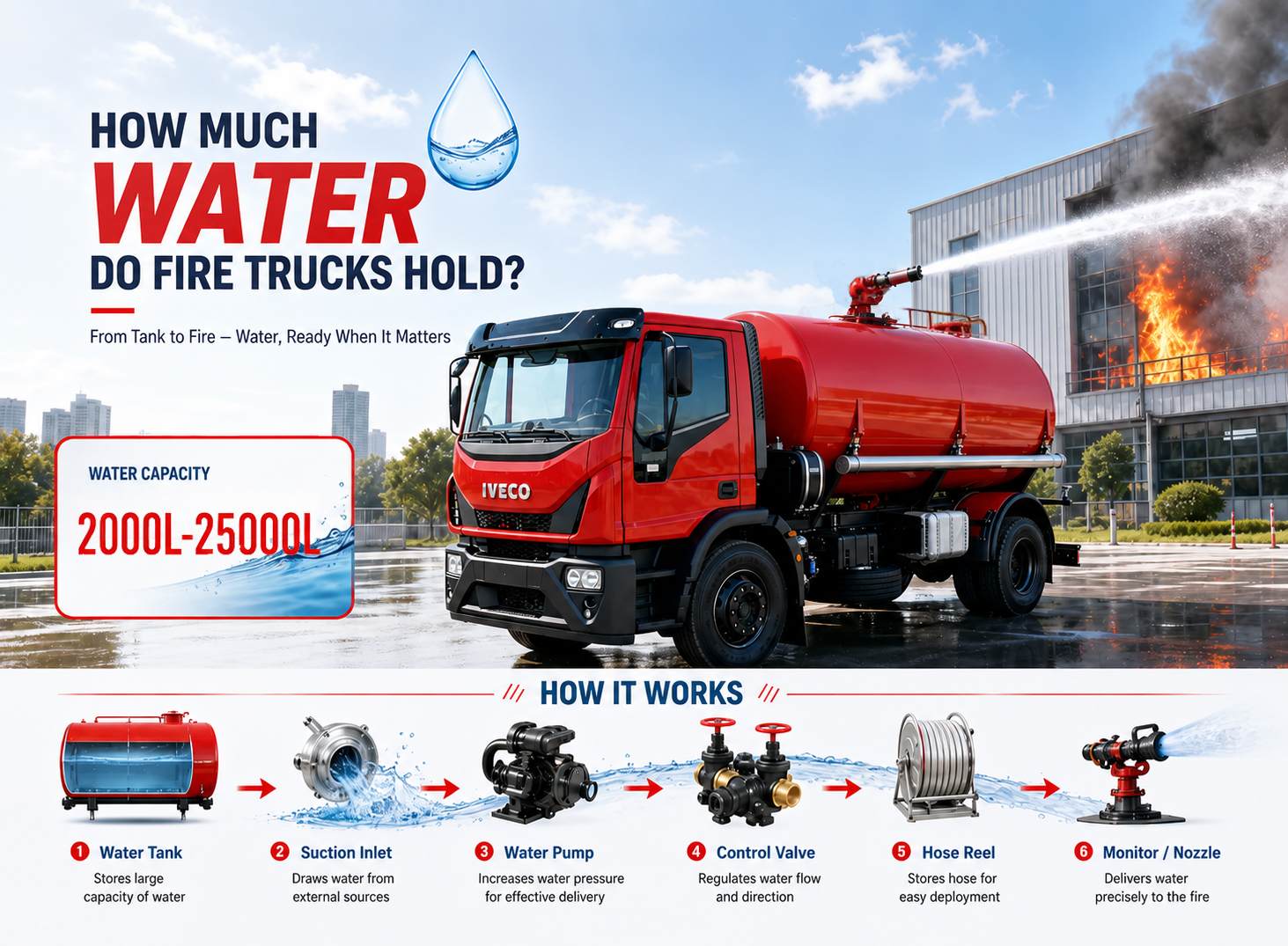
မီးသတ်ကားတစ်စီးက ရေဘယ်လောက် သယ်ဆောင်နိုင်သလဲ။ ဤမေးခွန်းသည် ကျွန်ုပ်တို့၏ဖောက်သည်များ မီးသတ်ကားရွေးချယ်ရာတွင် ပထမဆုံး ရင်ဆိုင်ရသော မေးခွန်းများထဲမှ တစ်ခုဖြစ်သည်။ သတ်မှတ်ထားသော တစ်ခုတည်းသော ကိန်းဂဏန်းမရှိပါ — ယာဉ်အမျိုးအစား၊ ကိုယ်ထည်ခံနိုင်ရည်၊ ဒီဇိုင်းရည်ရွယ်ချက်နှင့် ဒေသဆိုင်ရာ စည်းမျဉ်းများပေါ် မူတည်ပြီး 2,000 လီတာရှိ ပေါ့ပါးအသုံးပြုနိုင်သော ယူနစ်များမှ 25,000 လီတာရှိ စက်မှုလုပ်ငန်းသုံး မီးသတ်ကားများအထိ ကွာခြားနိုင်သည်။ သို့သော် တိုင်ကီပိုကြီးခြင်းသည် အမြဲတမ်း စွမ်းဆောင်ရည်ပိုကောင်းသည်ဟု မဆိုလိုပါ။မီးငြှိမ်းသတ်ရေးယာဉ် ရေတိုင်ကီပမာဏကို ထိရောက်သော မီးငြှိမ်းသတ်မှုရလဒ်များ ရရှိစေရန် ပန့်ရေစီးနှုန်း၊ မော်နီတာမှ ရေထုတ်လွှတ်နှုန်းနှင့် ကိုယ်ထည်ခံနိုင်ရည်တို့နှင့် သင့်လျော်စွာ ကိုက်ညီအောင် သတ်မှတ်ရမည်။ ဤဆောင်းပါးသည် မီးသတ်ကားရေတိုင်ကီပမာဏ၏ အခြေခံအချက်များမှ စတင်ပြီး ယာဉ်အမျိုးအစားအလိုက် ပုံမှန်ရေသိုလှောင်နိုင်သည့် ပမာဏများကို ခွဲခြမ်းစိတ်ဖြာကာ တိုင်ကီဒီဇိုင်းကို သက်ရောက်စေသော အဓိကအချက်များကို လေ့လာပြီး လက်တွေ့ဝယ်ယူရေး လမ်းညွှန်ချက်များကို ပေးထားသည်။ အဓိကအချက်များ: မီးသတ်ကားရေတိုင်ကီပမာဏသည် ပုံမှန်အားဖြင့် 2,000 မှ 25,000 လီတာအထိ ရှိသည် မီးသတ်ကားအမျိုးအစား မတူညီပါက ရေတိုင်ကီပမာဏလည်း မတူညီသည် တိုင်ကီပိုကြီးခြင်းသည် မီးငြှိမ်းသတ်နိုင်စွမ်း ပိုကောင်းသည်ဟု မဆိုလိုပါ တိုင်ကီပမာဏကို ပန့်ရေစီးနှုန်း၊ မော်နီတာစီးနှုန်းနှင့် ကိုယ်ထည်ခံနိုင်ရည်တို့နှင့် ကိုက်ညီအောင် သတ်မှတ်ရမည် စက်မှုလုပ်ငန်းသုံး မီးငြှိမ်းသတ်မှုတွင် ပုံမှန်အားဖြင့် တိုင်ကီကြီးများ လိုအပ်ပြီး မြို့ပြမီးငြှိမ်းသတ်မှုတွင် လှုပ်ရှားရလွယ်ကူမှုကို ဦးစားပေးသည် » I. မီးသတ်ကားရေတိုင်ကီ အခြေခံအမျိုးအစား သုံးမျိုး ရေပန့်မီးသတ်ကားများ:ဤကားများသည် မြို့ပြအသုံးပြုသော အများဆုံးတွေ့ရသည့် မီးသတ်ကားများဖြစ်သည်။ ၎င်းတို့သည် ရေပေးဝေရန် အဓိကအားဖြင့် မီးသတ်ရေပိုက်ခေါင်းများကို အားထားပြီး အစပိုင်းတိုက်ခိုက်မှုအတွက် ကားပေါ်တွင် ခန့်မှန်းခြေ 1,900–3,800 လီတာ ရေ သယ်ဆောင်ထားသည်။ ဤယာဉ်များ၏ အဓိကအစိတ်အပိုင်းမှာ တိုင်ကီမဟုတ်ဘဲ ပန့်ဖြစ်ပြီး ရေပိုက်ခေါင်းနှင့် ချိတ်ဆက်ပြီးနောက် ဖိအားရှိသော ရေကို ပို့လွှတ်ရန် ဒီဇိုင်းပြုလုပ်ထားသည်။ ရေသယ်မီးသတ်ကားများ (Water Tenders):ဤယာဉ်များသည် ရေပမာဏအများအပြား သယ်ယူရန် အထူးပြုထားပြီး တိုင်ကီပမာဏသည် ပုံမှန်အားဖြင့် 11,400 လီတာထက် ကျော်လွန်သည်။ မီးသတ်ရေပိုက်ခေါင်းများ မရရှိနိုင်သော ကျေးလက်နှင့် ဝေးလံသောဒေသများတွင် အရေးကြီးသော အခန်းကဏ္ဍမှ ပါဝင်ပြီး ရေအရင်းအမြစ်များမှ မီးလောင်ရာနေရာသို့ ရေကို သယ်ဆောင်ကာ ပန့်မီးသတ်ကားများ အသုံးပြုနိုင်ရန် ပံ့ပိုးပေးသည်။ ရေပန့်နှင့် ရေသယ်ပေါင်းစပ်မီးသတ်ကားများ:ဤယာဉ်များသည် ရေပန့်လုပ်ဆောင်ချက်နှင့် ရေသယ်ယူမှုလုပ်ဆောင်ချက်တို့ကို ယူနစ်တစ်ခုတည်းတွင် ပေါင်းစပ်ထားသည်။ ၎င်းတို့သည် မီးငြှိမ်းသတ်ရန် ရေကို ထုတ်လွှတ်နိုင်သကဲ့သို့ အခြားယာဉ်များကိုလည်း ရေပေးနိုင်သည်။ တိုင်ကီပမာဏသည် ပုံမှန်အားဖြင့် 5,700 မှ 11,400 လီတာအထိ ရှိပြီး မီးသတ်ဌာနများအတွက် စွယ်စုံအသုံးပြုနိုင်သော ဖြေရှင်းချက်တစ်ခုဖြစ်သည်။ » II. မီးသတ်ကားအမျိုးအစား မတူညီမှုအလိုက် ရေဘယ်လောက် သယ်ဆောင်နိုင်သလဲ? မီးသတ်ကားအမျိုးအစား ပုံမှန်တိုင်ကီပမာဏ အဓိကအသုံးပြုမှု ပေါ့ပါးအသုံးပြုနိုင်သော မီးသတ်ကား 2,000–3,000 L မြို့ပြ အမြန်တုံ့ပြန်မှု၊ အစပိုင်းတိုက်ခိုက်မှု မြို့နယ်သုံး ရေပန့်မီးသတ်ကား 3,000–6,000 L မြို့နယ်မီးငြှိမ်းသတ်မှု၊ အဆောက်အအုံမီးလောင်မှုများ အလယ်အလတ်တာဝန် ရေပန့်မီးသတ်ကား 6,000–10,000 L မြို့ပြနှင့် စက်မှုလုပ်ငန်...
အသေးစိတ်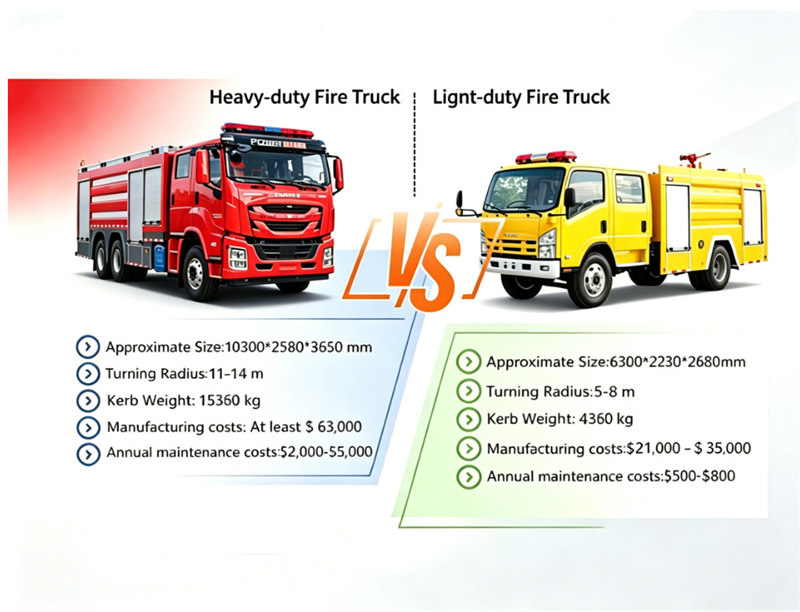
မီးသတ်ကယ်ဆယ်ရေးထရပ်ကား လိုအပ်ချက်များသည် မြို့ပြဧရိယာများနှင့် ကျေးလက် သို့မဟုတ် မြို့ငယ်အသိုင်းအဝိုင်းများအကြား အလွန်ကွာခြားပါသည်။ ကြီးမားသော မြို့ပြမီးသတ်ဌာနများသည် အထပ်မြင့်မီးလောင်မှုများ၊ စက်မှုလုပ်ငန်းမီးလောင်မှုများနှင့် အကြီးစားအရေးပေါ်အခြေအနေများကို ကိုင်တွယ်ရန် ရေတိုင်ကီကြီးများ၊ အမြင့်တက်လှေကားများနှင့် စက်မှုအဆင့်ပြည့်ဖွဲ့စည်းပုံများပါရှိသော အကြမ်းခံမီးသတ်ထရပ်ကားများကို အားထားကြသည်။ သို့သော် မြို့ငယ်များ၊ ကျေးလက်မြို့များ၊ ရွာမီးသတ်စခန်းများနှင့် စေတနာ့ဝန်ထမ်းမီးသတ်ဌာနများအတွက် အကြီးစားမီးသတ်ထရပ်ကားများသည် အားသာချက်ထက် ဝန်ထုပ်ဝန်ပိုးဖြစ်လာတတ်သည်။ ထို့ကြောင့် ပေါ့ပါးသော မီးသတ်ထရပ်ကားများသည် ကမ္ဘာတစ်ဝှမ်းရှိ မြို့ငယ်နှင့် ကျေးလက်မီးသတ်ဌာနများအတွက် အဓိကအသုံးပြုသည့် လက်တွေ့အကျဆုံး ဖြေရှင်းချက်ဖြစ်လာခဲ့သည်။ အရွယ်အစားကျစ်လျစ်မှု၊ လွယ်ကူသော ရွေ့လျားနိုင်မှု၊ အခြေခံကယ်ဆယ်ရေးလုပ်ဆောင်ချက်များ ပြည့်စုံမှုနှင့် စုစုပေါင်းကုန်ကျစရိတ်နည်းပါးမှုတို့ကို ချိန်ညှိပေးထားသောကြောင့် အခြေခံအဆင့် မီးသတ်အဖွဲ့များ၏ နေ့စဉ်ကယ်ဆယ်ရေးနှင့် မီးဘေးကာကွယ်ရေးလိုအပ်ချက်များနှင့် အပြည့်အဝကိုက်ညီသည်။ ပေါ့ပါးသော မီးသတ်ထရပ်ကားသည် အခြေခံဒေသများ၊ မြို့ပြအနီးအနားဒေသများနှင့် ကျေးလက်မီးဘေးအခြေအနေများအတွက် အထူးဒီဇိုင်းပြုလုပ်ထားသော ကျစ်လျစ်ပြီး ပေါ့ပါးသည့် အရေးပေါ်မီးသတ်ယာဉ်ဖြစ်သည်။ I. အကြမ်းခံမီးသတ်ထရပ်ကားများနှင့် ပေါ့ပါးသော မီးသတ်ထရပ်ကားများအကြား နှိုင်းယှဉ်ချက်: ရှင်းလင်းစွာ ကြည့်ရှုရန် အကြမ်းခံနှင့် ပေါ့ပါးသော မီးသတ်ထရပ်ကားများအကြား ကွာခြားချက်ကို နားလည်လွယ်စေရန် လက်တွေ့အသုံးဝင်မှု အချက်အလက်များကို တိုက်ရိုက်နှိုင်းယှဉ်ထားသော ဇယားကို ပြင်ဆင်ထားပါသည်။ အကြီးစားမော်ဒယ်များသည် အရှည် 10 မီတာကျော်ရှိပြီး လှည့်ကွေ့အချင်းဝက် 11–14m နှင့် အလေးချိန် 15 ton ရှိကာ ထုတ်လုပ်ရန် အနည်းဆုံး $63,000 ကုန်ကျပြီး နှစ်စဉ်ထိန်းသိမ်းစရိတ် $2,000–$5,000 လိုအပ်သည်။ ဆန့်ကျင်ဘက်အားဖြင့် ကျစ်လျစ်သော ပေါ့ပါးမီးသတ်ထရပ်ကားများသည် အရွယ်အစားကို ထက်ဝက်နီးပါး လျှော့ချထားပြီး အလေးချိန် 4,360 kg သာရှိကာ စတင်ဈေး $21,000 မှဖြစ်ပြီး နှစ်စဉ်ပြုပြင်ထိန်းသိမ်းစရိတ်ကို $800 အောက်တွင် ထိန်းထားနိုင်သဖြင့် ကျေးလက်နှင့် မြို့ငယ်မီးသတ်စခန်းများအတွက် ရွေ့လျားနိုင်မှုနှင့် ဘတ်ဂျက်တန်ဖိုး ပိုမိုကောင်းမွန်စေသည်။ Ⅱ.ပေါ့ပါးသော မီးသတ်ထရပ်ကားများ၏ အဓိကထူးခြားချက်များ: 1. ပေါ့ပါးသော်လည်း ဝန်တင်နိုင်စွမ်းမြင့်သော ဒီဇိုင်း။ အပြည့်အဝတင်ဆောင်ထားသည့်အချိန်တွင်ပင် စုစုပေါင်းယာဉ်အလေးချိန်သည် 8,000 kg အောက်တွင်ရှိပြီး အလွန်မြန်ဆန်သော အရေးပေါ်တုံ့ပြန်မှုကို ရရှိစေသည်။ 2. ဝေးလံသောဒေသများတွင် တွေ့ရလေ့ရှိသော ကြမ်းတမ်းပြီး မညီညာသော လမ်းမျက်နှာပြင်များကို ဖြတ်ကျော်နိုင်ရန် ဘီးလုံးမောင်းစနစ် စိတ်ကြိုက်ပြင်ဆင်မှုကို ရရှိနိုင်သည်။ 3. မီးငြှိမ်းသတ်ရေး လုပ်ဆောင်ချက်အပြည့်အစုံကို ထိန်းသိမ်းထားသည်: a. ရေနှင့် မီးငြှိမ်းသတ်ဖုန်အမြှုပ်အတွက် သီးခြားလွတ်လပ်သော တိုင်ကီနှစ်လုံး။ b. တုံ့ပြန်လာသော မီးသတ်သမားအဖွဲ့တစ်ဖွဲ့လုံးကို လိုက်ပါစီးနင်းနိုင်ရန် နှစ်တန်းပါ အဖွဲ့ဝင်ခန်း။ c. အရေးပေါ်ကယ်ဆယ်ရေးနှင့် မီးသတ်ကိရိယာများ၏ ပြည့်စုံသော စံစာရင်း။ d. အခင်းဖြစ်နေရာ မီးအလင်းစနစ်များနှင့် ဆွဲယူကိရိယာများအပါအဝင် ရွေးချယ်နိုင်သော ထပ်ဆောင်းပစ္စည်းများ။ 4. ပါဝါထုတ်ယူစနစ် (PTO) သည် အဓိကလည်ပတ်မောင်းနှင်မှုစနစ်အဖြစ် ဆောင်ရွက်သည်။ ၎င်းတွင် နားလည်လွယ်သော ထိန်းချုပ်မှုများနှင့် ရိုးရှင်းသော ထိန်းသိမ်းမှုနှင့် အစိတ်အပိုင်းအစားထိုးမှုတို့ ပါဝင်သည်။ ခိုင်ခံ့...
အသေးစိတ်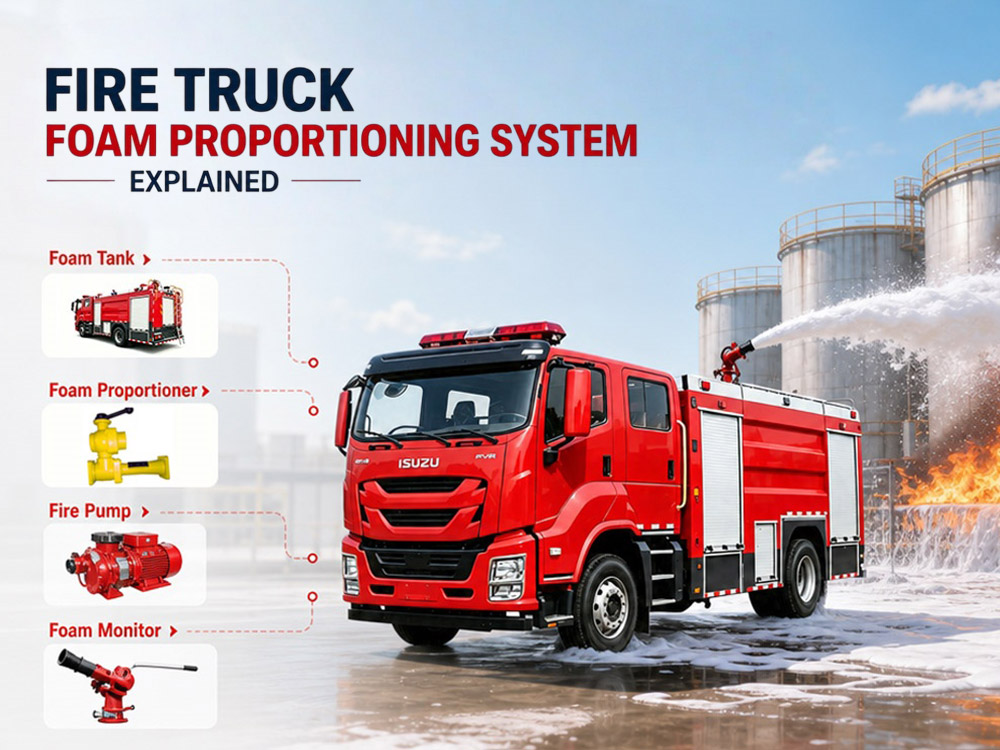
မီးသတ်ကား အမြှုပ်စနစ်သည် ရေနှင့် အမြှုပ်အနှစ်ကို တိကျသော အချိုးများ (1%, 3%, သို့မဟုတ် 6%) ဖြင့် ရောစပ်ကာ အမြှုပ်ရည်ကို ဖန်တီးသည်။ ထို့နောက် ဤအရည်ကို မီးသတ်ပန့်ဖြင့် ဖိအားပေးပြီး အမြှုပ်ခေါင်းများမှတစ်ဆင့် လေဖြင့် ချဲ့ထွင်သည် — ဤသည်မှာ အမြှုပ်မီးသတ်ကားသည် အမြှုပ်နှင့် ရေကို ရောစပ်ပုံ၏ အဓိက လုပ်ဆောင်မှုနိယာမဖြစ်ပြီး — နောက်ဆုံးတွင် လောင်စာမျက်နှာပြင်ကို ဖုံးအုပ်ပေးသော တည်ငြိမ်သည့် အမြှုပ်အလွှာကို ထုတ်လုပ်ပေးသည်။ ဤလုပ်ငန်းစဉ်သည် မီးငြှိမ်းသတ်မှု ထိရောက်မှုကို 50% ကျော် တိုးမြှင့်ပေးပြီး အမြှုပ်အနှစ် အလဟဿဖြစ်မှုကို 30% လျှော့ချပေးသည်။ » I. မီးသတ်ကားတစ်စီးတွင် အမြှုပ်စနစ် ဘာကြောင့် လိုအပ်သနည်း? ရေတစ်မျိုးတည်း အသုံးပြုခြင်းနှင့် နှိုင်းယှဉ်ပါက အမြှုပ်တွင် အဓိက အားသာချက် သုံးချက်ရှိသည်: 1. အောက်ဆီဂျင် ခွဲထုတ်ခြင်း— အမြှုပ်သည် လောင်ကျွမ်းနေသော မျက်နှာပြင်ကို ဖုံးအုပ်ကာ အောက်ဆီဂျင် မီးလောင်ရာနေရာသို့ မရောက်နိုင်အောင် တင်းကျပ်သော ရုပ်ပိုင်းဆိုင်ရာ အတားအဆီးကို ဖန်တီးပြီး မီးကို ထိန်းချုပ်ငြိမ်းသတ်ပေးသည်။ 2. အပူချိန် လျှော့ချခြင်း— အမြှုပ်ရည်အတွင်းရှိ ရေသည် အငွေ့ပျံစဉ် အပူပမာဏများစွာကို စုပ်ယူသဖြင့် မီးလောင်နေသော နေရာ၏ အပူချိန်ကို လျင်မြန်စွာ လျှော့ချပေးသည်။ 3. ပြန်လည်လောင်ကျွမ်းမှု ကာကွယ်ခြင်း— မီးငြိမ်းသွားပြီးနောက်ပင် အမြှုပ်အလွှာသည် မီးနေရာကို ဆက်လက်ဖုံးအုပ်ထားပြီး အောက်ဆီဂျင်နှင့် မီးလောင်လွယ်သော အငွေ့များကို ထိရောက်စွာ ခွဲထုတ်ကာ ပြန်လည်လောင်ကျွမ်းနိုင်ခြေကို သိသိသာသာ လျှော့ချပေးသည်။ » II. အမြှုပ်စနစ်၏ အဓိက လုပ်ဆောင်မှုနိယာမများ 1. အချိုးညှိစနစ်:ရေသည် အချိုးညှိကိရိယာမှတစ်ဆင့် စီးဆင်းသည် → အနုတ်ဖိအား (အနုတ်ဖိအားစနစ်) ကို ဖန်တီးခြင်း သို့မဟုတ် အမြှုပ်ပန့် (အပေါင်းဖိအားစနစ်) ကို အသုံးပြုခြင်း → အမြှုပ်တိုင်ကီမှ အမြှုပ်အနှစ်ကို ဆွဲယူခြင်း → ကြိုတင်သတ်မှတ်ထားသော အချိုး (1%, 3%, သို့မဟုတ် 6%) ဖြင့် ရောစပ်ခြင်း → အမြှုပ်ရည်သည် ပန့်သို့ စီးဆင်းသည်။ 2. ပန့်ဖြင့် ဖိအားပေးခြင်း:အမြှုပ်ရည်သည် ဗဟိုလည်ပတ်ပန့်ထဲသို့ ဝင်ရောက်သည် → 0.8–1.2 MPa အထိ ဖိအားပေးသည် → ပိုက်လိုင်းမှတစ်ဆင့် ထုတ်လွှတ်ပေါက်များ သို့မဟုတ် အမြှုပ်ပစ်စက်သို့ ပို့ဆောင်သည်။ 3. အမြှုပ် ချဲ့ထွင်ခြင်း:ဖိအားပေးထားသော အမြှုပ်ရည်သည် အမြှုပ်ခေါင်း သို့မဟုတ် လေဖြည့်ကိရိယာမှ ဖြတ်သန်းသည် → လေကို ရောနှောယူဆောင်သည် → အရည်သည် အဆင်သင့်အသုံးပြုနိုင်သော အမြှုပ်အဖြစ် ချဲ့ထွင်သည် → လောင်စာမျက်နှာပြင်ကို ဖုံးအုပ်သည် → အောက်ဆီဂျင်ကို ဖြတ်တောက်ပြီး မီးကို ငြိမ်းသတ်သည်။ အဓိက အယူအဆ: အမြှုပ်အနှစ် + ရေ သည် အဆင်သင့်အသုံးပြုနိုင်သော အမြှုပ်နှင့် မတူပါ။ ရောစပ်ထားသော အမြှုပ်ရည်သည် အရည်အခြေအနေသာ ရှိသေးပြီး — အမှန်တကယ် မီးငြှိမ်းသတ်နိုင်သော အမြှုပ်ဖြစ်လာရန် အမြှုပ်ခေါင်းမှတစ်ဆင့် လေနှင့် ပေါင်းစပ်ရမည်။ ဖိအားမြင့် အမြှုပ်ရည်သည် အမြန်နှုန်းမြင့်ဖြင့် ခေါင်းမှ ဖြတ်သန်းသွားသောအခါ ဒေသခံ အနုတ်ဖိအားဇုန်ကို ဖန်တီးပြီး လေကို အတင်းအကျပ် ဆွဲယူသည်။ လေနှင့် အရည်သည် ခေါင်းအတွင်းတွင် ပြင်းထန်စွာ တိုက်မိကာ ဖြတ်တောက်ခံရပြီး ချက်ချင်းပင် သေးငယ်သော ပူဖောင်း သန်းပေါင်းများစွာအဖြစ် ပြိုကွဲကာ အဖြူရောင် အမြှုပ်အဖြစ် စုပုံလာသည်။ » III. မီးသတ်ကားသည် အမြှုပ်နှင့် ရေကို မည်သို့ ရောစပ်သနည်း? မီးသတ်ကားပေါ်ရှိ အမြှုပ်ရောစပ်မှုလုပ်ငန်းစဉ်တွင် ရေပေးဝေမှုမှ နောက်ဆုံး အမြှုပ်ဖွဲ့စည်းမှုအထိ အဓိက အဆင့် လေးဆင့် ပါဝင်သည်။ အဆင့် 1: မီးသတ်ပန့်သည် ရေစီးဆင်းမှုကို ပံ့ပိုးပေးခြင်း မီးသတ်ကားကို စတင်ပြီးနောက် မီးသတ်ပန့်သည် အမြှုပ်စနစ်အတွက် စွမ်းအားပေးသည်။ ရေအရင်းအမြစ်များတွင်...
အသေးစိတ်
ဆက်လက်ဖတ်ရှုပါ၊ သတင်းအချက်အလက်များကို စောင့်မျှော်ပါ၊ စာရင်းသွင်းပါ နှင့် သင်၏အမြင်များကို ကျွန်ုပ်တို့အား ပြောပြရန် ကြိုဆိုပါသည်။

 IPv6 ကွန်ယက်ကိုထောက်ခံသည်

 မြန်မာ
 English
 français
 Deutsch
 русский
 italiano
 español
 português
 Nederlands
 العربية
 日本語
日本語 한국의
한국의 Türkçe
 Melayu
 ไทย
ไทย Tiếng Việt
 Indonesia
  中文
中文 қазақ
қазақ Filipino
 српски